How to Drive on the Roads of East Africa – The Ultimate Self-Drive Safari Guide (2026–2030)
How to Drive on the Roads of East Africa, Planning an East Africa self-drive safari guide for your next adventure? Driving across East Africa is one of the most rewarding ways to explore the region — but it requires preparation, awareness, and the right vehicle.
East Africa includes Uganda, Kenya, Tanzania, Rwanda, and Burundi. Each country offers unique landscapes, road systems, and driving styles. If you’re researching how to drive in East Africa as a tourist, this detailed guide will give you a clear picture of what to expect.
Left or Right? Understanding Driving Rules in East Africa
Before you even start your engine, you must know:
- Uganda, Kenya, and Tanzania drive on the LEFT-hand side
- Rwanda and Burundi drive on the RIGHT-hand side
If you’re planning an East Africa road trip itinerary guide that includes border crossings, adjusting to different driving sides is essential.
Understanding driving rules in Uganda for tourists and neighboring countries will help you avoid confusion, especially at roundabouts and junctions.
Road Conditions in East Africa National Parks and Highways
When people ask about road conditions in East Africa national parks, the answer depends on where you’re going.
1: Major Highways
Highways connecting major cities such as Kampala, Nairobi, Kigali, and Arusha are mostly:
-
Tarred
-
Well maintained
-
Suitable for 2WD vehicles
For city-to-city travel, roads are generally comfortable.
2: Rural & Safari Roads
Once you leave the highways and head into national parks or remote areas, the experience changes dramatically.
For example:
- Bwindi Impenetrable National Park access roads can be steep and muddy.
- Kidepo Valley National Park road conditions are rugged and isolated.
- Murchison Falls National Park has gravel tracks inside the park.
If you’re researching Bwindi Impenetrable National Park access roads or a Murchison Falls National Park self-drive guide, expect gravel roads, dust during dry seasons, and slippery mud in rainy months.
Rainy seasons (March–May and October–November in many areas) significantly impact driving difficulty.
Best Car for East Africa Self-Drive Safari
One of the most searched topics is: best car for East Africa self-drive safari.
The answer depends on your route.
When 2WD Is Enough:
- City travel
- Short highway trips
- Dry season, non-park routes
When 4×4 Is Essential:
- Visiting national parks
- Remote regions
- Rainy season travel
- Gravel and muddy terrain
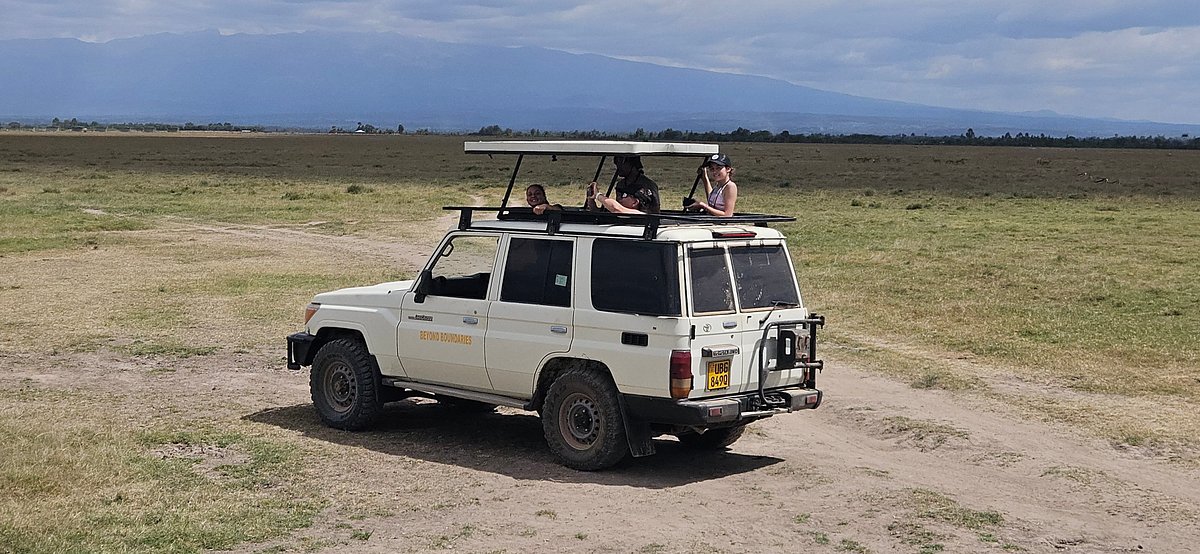
For a proper 4×4 self-drive safari in Kenya and Uganda, a high-clearance vehicle like a Land Cruiser is strongly recommended.
In remote areas like Kidepo Valley National Park, 4×4 is not just recommended — it is necessary.
Self-Drive Safari in Uganda Road Conditions – What to Expect
If you’re specifically planning a self-drive safari in Uganda road conditions, here’s what you need to prepare for:
-
Deep potholes
-
Sudden speed bumps
-
Gravel washboards
-
Occasional livestock on roads
-
Limited road signage in rural areas
Driving requires patience and defensive techniques.
Fuel Stations in Uganda and Kenya for Self-Drive Travelers
A common mistake tourists make is underestimating distances.
When planning a fuel stations in Uganda and Kenya for self-drive travelers strategy:
- Refuel when your tank reaches half
- Fill up before entering national parks
- Carry extra fuel if traveling to remote areas
Fuel stations are common in towns but scarce in wilderness regions.
Essential Driving Rules in Uganda for Tourists and East Africa
If you want to safely complete your East Africa road trip itinerary guide, follow these principles:
Always Carry Valid Documentation
- National driver’s license
- International Driving Permit (IDP)
- Vehicle rental agreement
Police checkpoints are normal and professional if documents are in order.
Avoid Night Driving Outside Cities
Driving at night in rural areas increases risk due to:
- Poor lighting
- Wildlife crossings
- Unmarked obstacles
This is especially important for a self-drive safari Tanzania guide or rural Uganda routes.
Watch for Wildlife Crossings
In safari regions of Kenya, Uganda, and Tanzania, animals frequently cross roads.
Near parks like:
- Murchison Falls National Park
- Kidepo Valley National Park
Slow down and remain alert at all times.
Overtaking and Defensive Driving
Driving culture varies across East Africa.
When overtaking:
- Ensure clear visibility
- Avoid blind corners
- Watch for motorcycles
- Signal clearly
Defensive driving is essential for anyone learning how to drive in East Africa as a tourist.
Driving in Kenya Safari Parks
If you’re researching driving in Kenya safari parks, expect:
- Corrugated gravel tracks
- Sand sections
- Mud after rains
- Wildlife priority (animals always have right of way)
Inside parks, speeds are restricted — usually 40 km/h or less.
Self-Drive Safari Tanzania Guide – Extra Considerations
For travelers following a self-drive safari Tanzania guide, distances can be longer between attractions like Serengeti, Ngorongoro, and Tarangire.
Preparation tips:
- Plan fuel stops carefully
- Carry water and snacks
- Inform your lodge of arrival time
Tanzania’s park roads can become extremely dusty during dry season.
Road Trip in Rwanda Travel Tips
If you’re planning a road trip in Rwanda travel tips itinerary:
- Roads are generally well maintained
- Hilly terrain requires careful braking
- Speed limits are strictly enforced
Rwanda drives on the right-hand side — an important adjustment if coming from Uganda or Kenya.
Emergency Preparedness & Isolation
One of the realities of a true East Africa self-drive safari guide is distance and isolation.
In remote regions:
- You may drive hours without traffic
- Mobile network can be weak
- Breakdown assistance may take time
Carry:
- Drinking water
- First aid kit
- Emergency contacts
- Offline maps
Preparation reduces stress significantly.
Is Driving in East Africa Safe?
Yes — with preparation.
Thousands of travelers successfully complete self-drive safari in Tanzania, Kenya, and Uganda each year.
Safety depends on:
- Choosing the right vehicle
- Respecting speed limits
- Avoiding night driving
- Understanding road conditions
If you respect the environment and drive responsibly, your safari becomes smooth and enjoyable.
Final Thoughts
Driving through East Africa is more than transportation — it’s part of the adventure.
From the forested hills near Bwindi Impenetrable National Park access roads to the open plains surrounding Kidepo Valley National Park road conditions, every stretch of road offers something memorable.
If you are planning your East Africa road trip itinerary guide, remember:
- Choose the best car for East Africa self-drive safari
- Understand road conditions in East Africa national parks
- Follow driving rules in Uganda for tourists
- Prepare for distance and weather
With the right preparation, your East African self-drive journey will reward you with freedom, breathtaking landscapes, and unforgettable safari experiences.