
Kenya Travel Guide: Itinerary and Tips for an Unforgettable Adventure
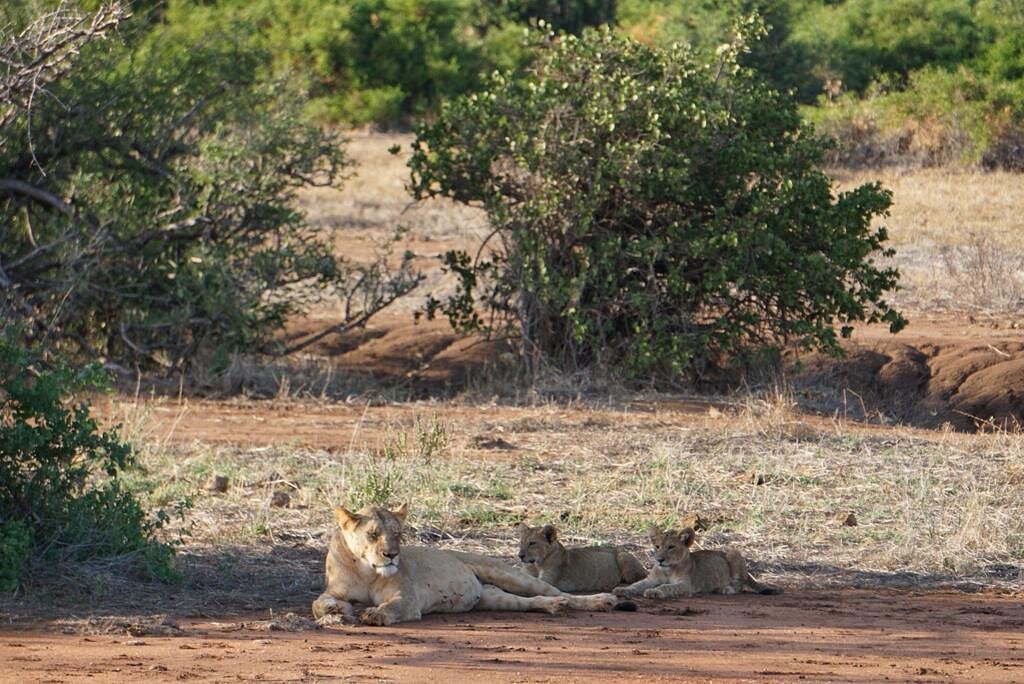
Kenya Travel Guide, Kenya is one of those destinations that can make one trip feel like several completely different holidays. You can spend the morning watching elephants beneath Mount Kilimanjaro, the next day looking for lions on the open plains, and finish your journey relaxing beside the Indian Ocean.
 From the busy streets of Nairobi to the vast landscapes of the Masai Mara, the red elephants of Tsavo, the peaceful lakes of the Great Rift Valley, and the white-sand beaches around Diani and Mombasa, Kenya offers an extraordinary variety of experiences.
Whether you are planning your first African safari, a family holiday, a romantic getaway, a backpacking adventure, or a self-drive road trip, good planning will help you get the most from your time.
This Kenya travel guide: itinerary and tips covers the essential things to know before visiting, including safety, entry requirements, accommodation, transportation, practical travel advice, and a suggested itinerary for exploring the country.
Why Visit Kenya?Kenya Travel Guide
Kenya is famous around the world for wildlife safaris, but there is much more to discover beyond the national parks.
A journey through the country can include:
- Big Five wildlife safaris
- The Masai Mara National Reserve
- Mount Kilimanjaro views from Amboseli
- Flamingos and wildlife around the Rift Valley lakes
- Nairobi’s restaurants, culture, and urban attractions
- Beautiful Indian Ocean beaches
- Swahili culture along the coast
- Hiking and mountain scenery
- Local communities and cultural experiences
- Self-drive road trips across changing landscapes
One of the best things about Kenya is the freedom to design a trip around your interests. Wildlife lovers can spend most of their holiday in national parks, while beach lovers can combine a safari with a few relaxing days on the coast.
Best Kenya Itinerary for First-Time Visitors#Kenya Travel Guide
The ideal Kenya itinerary depends on how many days you have available. Trying to visit every famous destination in a short period can leave you spending more time travelling than enjoying the country.
For many visitors, 10 to 14 days in Kenya provides a comfortable balance between wildlife, scenery, culture, and relaxation.
Day 1: Arrive in Nairobi
Most international visitors arrive in Nairobi. Instead of immediately rushing out of the city, consider spending your first day recovering from your flight and adjusting to the new environment.
Depending on your arrival time, you can explore local restaurants, visit a museum, or simply relax at your hotel.
Nairobi is also a convenient place to organize supplies, exchange money, collect a rental vehicle, and prepare for a safari.
Where to stay: Nairobi city hotels, guesthouses, airport hotels, or safari-style lodges on the outskirts of the city.
Days 2–3: Explore the Masai Mara
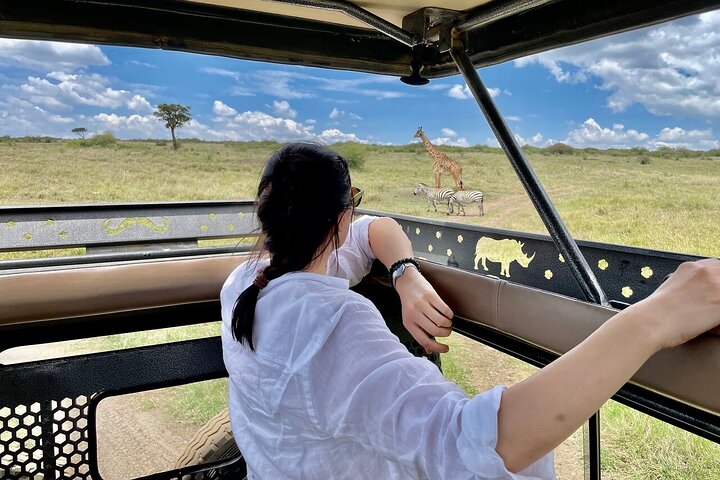
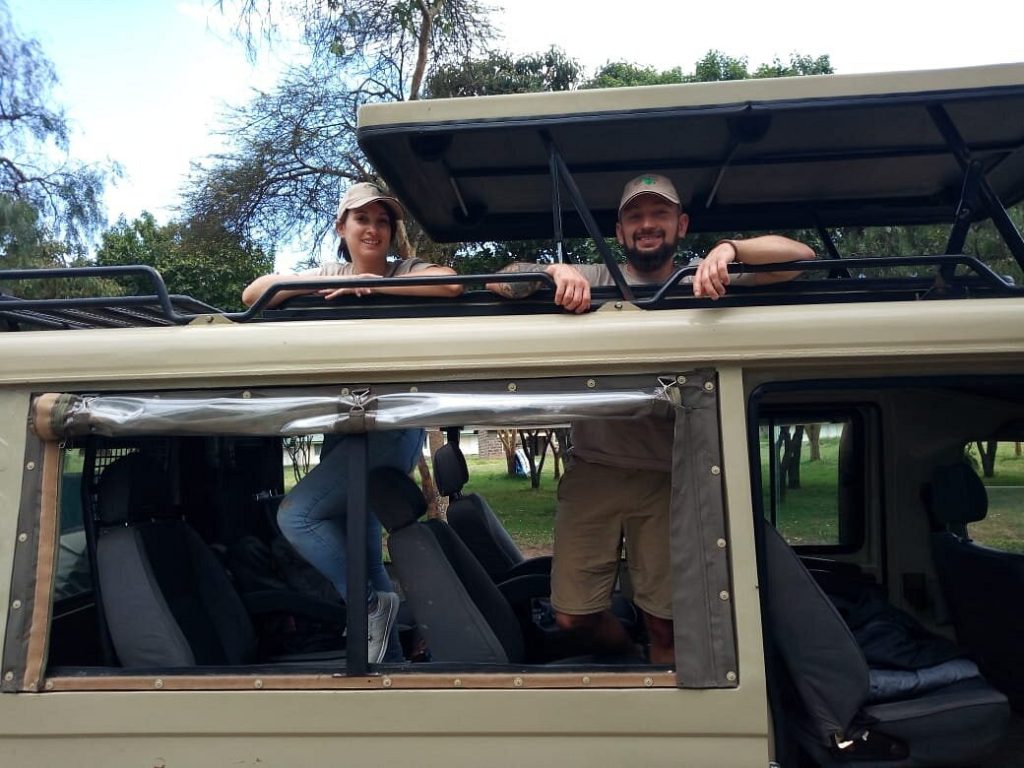 The Masai Mara is one of Kenya’s most celebrated safari destinations. Its wide grasslands and rich wildlife make it an excellent choice for travellers hoping to see lions, elephants, giraffes, buffaloes, cheetahs, and many other animals.
Early morning and late afternoon game drives are usually the most rewarding times to explore.
If your visit coincides with the seasonal wildebeest migration, the experience can be particularly dramatic. However, the Mara is worth visiting at other times of the year too.
Travel tip: Give yourself enough time here. A rushed one-night stay rarely feels sufficient.
Where to stay: Safari camps, tented camps, lodges, budget campsites, or community conservancies.
Days 4–5: Lake Naivasha and Hell’s Gate
After several game drives, the Lake Naivasha area provides a change of scenery.
This region is well suited to travellers who enjoy outdoor activities. You may take a boat trip, observe hippos from a safe distance, enjoy birdlife, or visit Hell’s Gate for walking and cycling experiences.
The relaxed atmosphere makes it a good stop between major safari destinations.
Where to stay: Lakeside lodges, cottages, campsites, and safari resorts around Naivasha.
Days 6–7: Amboseli National Park
Kenya Travel Guide, Amboseli is famous for its large elephant herds and spectacular views of Mount Kilimanjaro when conditions are clear.
The combination of open landscapes, wildlife, and Africa’s highest mountain in the background makes Amboseli especially popular with photographers.
A sunrise or sunset game drive can be one of the highlights of your Kenya holiday.
Where to stay: Safari lodges, tented camps, eco-lodges, and campsites around the park.
Days 8–10: Relax on the Kenyan Coast
After days of early-morning game drives and long journeys, heading to the coast can be the perfect ending to your trip.
Popular coastal destinations include:
- Diani Beach
- Mombasa
- Watamu
- Malindi
- Kilifi
Here, your holiday can slow down. Swim in the ocean, enjoy fresh seafood, visit historical areas, try water sports, or simply relax under the tropical sun.
Where to stay: Beach resorts, boutique hotels, apartments, villas, guesthouses, and budget beachfront accommodation.
Is Kenya Safe for Tourists?
Yes, Kenya can be a rewarding destination for tourists, but visitors should travel with awareness and take sensible precautions. Safety conditions can vary by location, and travellers should check current official travel advice from their own government before departure. Kenya’s tourism authorities advise precautions such as avoiding displays of valuables, using reputable transport, avoiding unfamiliar areas alone at night, and choosing established accommodation and tour providers.
For a safer and smoother trip:
- Avoid walking alone in unfamiliar places late at night.
- Do not openly display large amounts of cash or expensive equipment.
- Keep important documents secure and carry copies where appropriate.
- Use reputable taxi services or verified transport providers.
- Follow your guide’s instructions during wildlife activities.
- Do not leave your vehicle during a game drive unless instructed that it is safe.
- Avoid driving at night on unfamiliar rural roads.
- Keep your fuel tank reasonably full when travelling long distances.
- Tell someone your planned route if heading to remote areas.
- Purchase comprehensive travel insurance, particularly for safari travel.
Kenya Travel Guide, A little preparation goes a long way. Kenya welcomes millions of visitors, and many travellers complete their holidays without serious problems.
Getting a Kenyan Visa or Electronic Travel Authorisation
Before travelling, check Kenya’s current entry requirements based on your nationality. Kenya’s entry system uses an online Electronic Travel Authorisation (eTA) for many international visitors rather than the old visa-sticker process, and the Kenyan government advises travellers to check eligibility and complete the required process before travel.
Requirements may change, so do not rely solely on old travel blogs or social-media posts.
Before your trip, check:
- Passport validity requirements
- Whether your nationality requires an eTA or another form of authorization
- Entry and transit requirements
- Yellow fever requirements where applicable
- Return or onward travel requirements
- Proof of accommodation or travel plans, if requested
Important tip: Apply through official government channels and complete your travel authorization well before departure.
What to Expect in Kenya
 Kenya is modern in some places, traditional in others, and wonderfully unpredictable in between.
You may find excellent highways connecting major towns, followed by rough roads leading to remote safari areas. You can pay by card at a modern Nairobi restaurant and later find yourself in a small community where cash is more practical.
That contrast is part of the experience.
Expect Long Travel Days
Kenya looks manageable on a map, but distances can be deceptive.
Road conditions, traffic, weather, wildlife crossings, and stops along the way can all increase travel time.
Do not build an itinerary based entirely on the fastest estimated driving time.
Expect Different Road Conditions
Main highways can be smooth and well developed, while access roads to national parks and remote areas may be rough, dusty, muddy, or uneven.
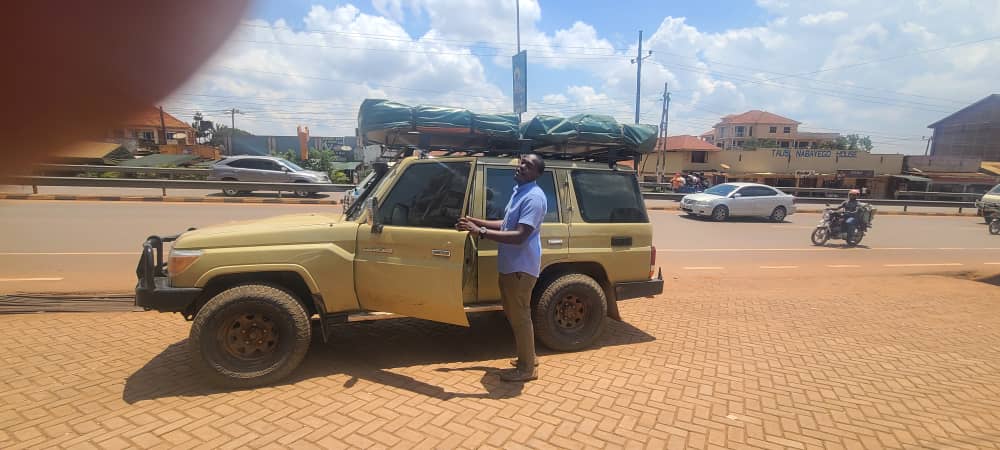
This is one reason a 4×4 car rental in Kenya is often a practical choice for safari travellers.
A capable vehicle provides better ground clearance and can offer greater confidence when travelling on rough roads, especially during rainy periods.
Expect Warm Hospitality
Many visitors remember Kenya as much for its people as for its wildlife.
English and Swahili are widely used, making communication easier for many international travellers.
Learning a few Swahili greetings can also make interactions more enjoyable.
A simple “Jambo” or “Asante” can go a long way.
What Not to Expect
Do not expect every safari experience to follow a perfect schedule.
Wild animals do not work according to timetables. You may see five lions within minutes one day and spend an hour searching for wildlife the next.
Do not expect all roads to be smooth, especially near remote parks.
And do not expect Kenya to be only about safaris. Some of the country’s best experiences happen away from famous wildlife reserves.
Where to Stay in Kenya
Accommodation in Kenya is available for almost every type of traveller.
Luxury Safari Lodges
These are ideal for travellers looking for comfort, guided activities, excellent food, and beautiful locations.
Luxury lodges may offer private decks, swimming pools, fine dining, and organized game drives.
Mid-Range Lodges and Camps
Mid-range accommodation is a popular choice for couples, families, and travellers who want comfort without paying premium luxury prices.
Budget Guesthouses and Hostels
Cities such as Nairobi and Mombasa have budget accommodation suitable for backpackers and independent travellers and many parks have a wide range budget accommodation that fits well a travelers choice especially those who want a low budget safari
Campsites and Rooftop Tent Camping#Kenya Travel Guide
Camping can be one of the most memorable ways to experience Kenya.
Travellers renting a 4×4 with camping equipment or a rooftop tent can enjoy more flexibility when exploring national parks and scenic areas with a budget of $30 to $40 one can camp anywhere within the park
A rooftop tent is especially convenient for a self-drive safari because your accommodation travels with you.
Getting Around Kenya
There are several ways to travel around the country.
Domestic Flights
Domestic flights are useful when you have limited time or want to avoid long road journeys.
They are particularly convenient for connecting Nairobi with major safari regions and coastal destinations.
Private Driver-Guide
Hiring a vehicle with a professional driver can reduce the stress of navigation and unfamiliar road conditions.
This option is ideal for first-time visitors, families, and travellers who simply prefer to relax.
Self-Drive Car Rental
A Kenya self-drive safari gives you freedom and flexibility.
You can stop when you see something interesting, change your route, spend longer at a destination, and travel at your own pace.
For visitors planning to explore national parks, rural areas, or multiple destinations, choosing a reliable 4×4 is often the most suitable option.
4×4 Kenya Car Rentals for Self-Drive Adventures
 When planning a road trip, 4×4 Kenya Car Rentals is one of the car rental companies travellers can consider for self-drive and safari travel in Kenya. The company offers 4×4 vehicles, safari Land Cruisers, camping equipment, rooftop-tent options, chauffeur-driven rentals, long-term hire, and cross-border travel services. Its published services also include customer support and breakdown assistance.
For a self-drive safari, select a vehicle according to your route, group size, luggage, and accommodation style. A compact vehicle may suit city travel and good roads, while a Toyota Land Cruiser or another capable 4×4 may be more appropriate for demanding safari routes.
Best Time to Visit Kenya#Kenya Travel Guide
Kenya is a year-round destination, but the best time depends on what you want to experience.
For Wildlife Safaris
Drier periods are often popular because wildlife may be easier to spot around water sources and vegetation can be less dense.
For the Wildebeest Migration
The timing of the migration varies from year to year, so travellers should not rely on exact dates. Booking early is wise if seeing this event is a major priority.
For Beaches
The Kenyan coast can be enjoyed during many months of the year, although weather conditions vary.
For Budget Travellers
Travelling outside the busiest tourism periods may offer more accommodation choices and, in some cases, better value.
Essential Kenya Travel Tips
Carry Some Cash
Cards are useful in cities and established hotels, but cash remains helpful for smaller purchases and remote areas.
Get a Local SIM or eSIM
Reliable internet can make navigation, communication, accommodation bookings, and emergency planning easier.
Respect Wildlife
Never approach animals on foot. Maintain a safe distance and follow park rules.
Dress for Different Temperatures
Kenya can be hot during the day and surprisingly cool in the morning or evening, especially in highland areas and on safari.
Pack light layers.
Pack for Dust and Rain
A light rain jacket, comfortable walking shoes, sunscreen, insect repellent, sunglasses, and a reusable water bottle are useful additions to your luggage.
Drive on the Left
If you are renting a vehicle, remember that Kenya drives on the left-hand side of the road. New visitors should take time to become comfortable before attempting long or difficult journeys. Kenya’s official visitor information also notes left-side driving.
Avoid Night Driving When Possible
Rural roads can have limited lighting, unexpected obstacles, pedestrians, livestock, and other hazards.
Plan to arrive at your destination before dark whenever practical.