Kenya Wildlife Photography: Best Parks, Animals & Safari Photo Tips
Kenya Wildlife Photography: Best Parks, Animals & Safari Photo Tips, Kenya is one of Africa’s most rewarding destinations for wildlife photography. From lions resting on the open plains of the Maasai Mara to elephants walking beneath Mount Kilimanjaro in Amboseli, the country offers an incredible combination of wildlife, landscapes, dramatic light and unforgettable safari moments.
For photographers, however, a successful Kenya safari is about more than carrying an expensive camera. Choosing the right park, travelling at the right time, understanding animal behaviour and having a suitable 4×4 safari vehicle can make a major difference.
Whether you are an experienced wildlife photographer or simply want better photos from your first African safari, this guide covers the best wildlife photography parks in Kenya, animals to look for and practical safari photography tips.
Why Kenya Is Excellent for Wildlife Photography
Kenya offers an impressive variety of ecosystems within a relatively manageable travel area.Kenya Wildlife Photography: Best Parks, Animals & Safari Photo Tips,You can photograph large elephant herds in Amboseli, big cats in the Maasai Mara, flamingos and rhinos around Lake Nakuru, and vast wilderness landscapes in Tsavo. The Kenya Wildlife Service manages numerous parks and reserves across the country, including Amboseli, Nairobi National Park, Lake Nakuru, Tsavo East and Tsavo West.
Another advantage is the variety of photographic opportunities. You are not limited to close-up animal portraits. A good Kenya safari can give you:
- Wildlife portraits
- Animal behaviour
- Predator-and-prey scenes
- Bird photography
- Landscape photography
- Sunrise and sunset images
- Wildlife silhouettes
- Environmental portraits
- Cultural photography
- Dramatic Mount Kilimanjaro landscapes
For travellers using a 4×4 Kenya car rental, self-drive also provides flexibility to stop safely when an interesting photographic opportunity appears, subject to park and reserve rules.
Best Parks for Wildlife Photography in Kenya
1. Maasai Mara National Reserve – Best for Big Cats
The Maasai Mara is probably the first place that comes to mind when people think about Kenya wildlife photography it gives more thank one can expect.Its open grasslands make it easier to spot animals, while the abundance of prey supports large populations of lions, cheetahs and leopards. The Mara is also famous for the annual wildebeest migration, when enormous herds move through the Mara ecosystem.
For photographers, the Mara is particularly rewarding because the open terrain allows relatively clear views of wildlife.
Best photography subjects include:
- Lion, Leopard, Cheetah, Elephant, Giraffe, Zebra, Wildebeest
- Hippos
- Crocodiles
- African buffalo
Early mornings are particularly valuable. Soft golden light can transform an ordinary wildlife portrait into a memorable photograph so plan well so that you can get proper experience.
2. Amboseli National Park – Best for Elephants and Landscapes
If your dream is to photograph elephants with Mount Kilimanjaro in the background, Amboseli National Park should be high on your list. The park is particularly famous for its large elephant herds and spectacular views toward Mount Kilimanjaro. Its open plains, wetlands, acacia woodland and mountain backdrop create excellent opportunities for both wildlife and landscape photography. KWS also highlights Amboseli as an important birding destination, with more than 400 recorded bird species.
Try photographing elephants as environmental portraits rather than always filling the entire frame with the animal. Leaving space around an elephant can communicate the scale of the landscape and create a much stronger story.
Photography highlights include:
Elephants, Lions, Giraffes, Zebras, Buffaloes, Birds
- Mount Kilimanjaro
- Amboseli wetlands and plains
3. Lake Nakuru National Park – Best for Rhinos and Bird Photography
Lake Nakuru offers a different photographic experience from the open grasslands of the Mara and Amboseli. The park is well known for rhinos, buffaloes, giraffes, lions and a wide range of birdlife. The lake and surrounding landscape also create opportunities for atmospheric landscape images.
If you enjoy combining wildlife photography in Kenya with bird photography, Lake Nakuru is worth including in your itinerary. A longer lens can be particularly useful for photographing birds without getting too close.
4. Tsavo East National Park – Best for Wilderness and Elephants
Tsavo East is Kenya’s largest national park and is known for its vast, semi-arid landscapes and distinctive red-dust elephants. The Galana River, Yatta Plateau and expansive wilderness provide excellent opportunities for environmental wildlife photography. KWS describes the park as a major destination for photographic safaris and visual storytelling.
The red earth can create dramatic contrast against elephants, especially when animals are active and dust rises around them. Tsavo East is also a good choice for photographers who want a less crowded wilderness experience compared with some of Kenya’s more famous safari destinations so planning a good place for photographic opportunity please don’t hesitate to add Tsavo East on your bucket list.
5. Tsavo West National Park – Best for Scenic Wildlife Photography
Tsavo West combines wildlife with dramatic geological scenery. Lava flows, hills, springs and open savannah create a very different photographic environment. Mzima Springs is one of the park’s well-known attractions, while viewpoints such as Poacher’s Lookout and Roaring Rocks provide opportunities to photograph the wider landscape. KWS records more than 600 bird species in Tsavo West. For photographers, Tsavo West is particularly interesting if you want more than traditional animal portraits.
Best Animals to Photograph on a Kenya Safari
Kenya gives photographers the chance to photograph many of Africa’s most iconic animals.
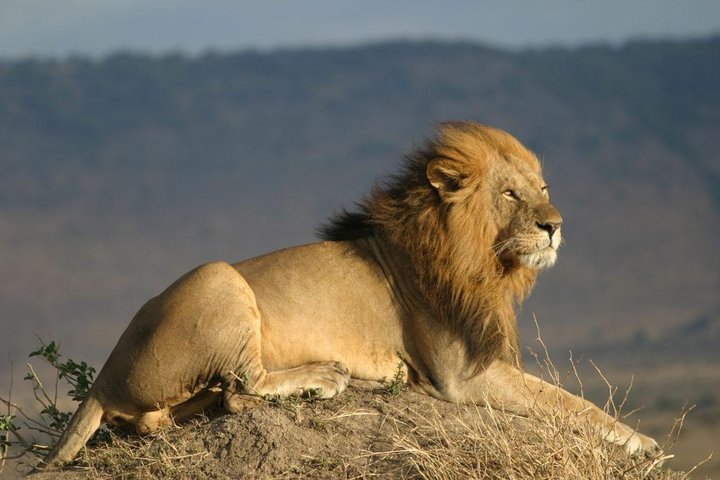
Lions: Lions are among the easiest subjects to photograph when they are resting in open areas. Watch their body language rather than simply photographing every sighting. Yawning, grooming, interacting with cubs or looking directly toward the vehicle can produce more interesting images.
Leopards: Leopards are more challenging because they are often elusive and may rest in trees or dense vegetation. Patience is essential.
Cheetahs: Cheetahs are excellent subjects for action photography. If a cheetah begins moving quickly, increase your shutter speed and use continuous autofocus.
Elephants: Elephants provide both portrait and landscape opportunities. Photograph individuals, family groups and interactions rather than taking only close-ups.
Giraffes: Giraffes work particularly well against clean backgrounds. Try photographing them against the sky, acacia trees or distant hills.
Rhinos: Rhinos can produce powerful environmental portraits, particularly when photographed against the open landscape.
Birds: Do not ignore Kenya’s birds. Eagles, vultures, kingfishers, flamingos and other species can provide some of the most colourful photographs of your trip.
Essential Wildlife Photography Gear for Kenya
You do not need the most expensive equipment to take great safari photographs, but choosing practical gear helps.
A useful Kenya safari photography gear list includes:
- Camera body with good autofocus
- Telephoto lens, ideally around 100–400mm or 200–600mm
- Wide-angle lens for landscapes
- Spare batteries
- Several memory cards
- Beanbag or stable camera support
- Lens cleaning cloth
- Dust protection
- Binoculars
- Portable power bank or charging solution
- Camera bag that protects equipment from dust
A beanbag can be particularly useful in a safari vehicle because it provides stability without taking up much space.
Best Camera Settings for Safari Photography
Wildlife can move unexpectedly, so automatic settings are not always ideal. For moving animals, start with a shutter speed around 1/1000 second or faster. For animals standing or resting, you can often use a slower shutter speed.
Use a wider aperture when you want to separate an animal from the background. For group shots, stop down slightly so more of the scene remains in focus. Continuous autofocus and burst shooting are useful when photographing running animals, birds in flight or sudden interactions.
Most importantly, learn to adjust your settings quickly. A perfect technical setup is useless if you miss the moment while changing camera controls.
Best Time of Day for Kenya Wildlife Photography
Early morning and late afternoon are usually the most rewarding periods for wildlife photography. The light is softer, warmer and more directional than the harsh midday sun. Animals are also often more active during cooler parts of the day.
This is why photographers should resist spending the entire safari waiting for midday sightings. The first and last hours of a game drive can produce some of the best photographs of the entire trip. Cloudy weather should not discourage you either. Soft, diffused light can produce excellent portraits without harsh shadows.
Safari Photography Tips for Better Photos
Keep Your Camera Ready
Wildlife does not wait for photographers. Keep your camera switched on and settings prepared while driving through the park.
Be Patient
A leopard lying under a tree may appear uninteresting for 20 minutes and then suddenly stand, yawn or climb the tree. Patience often produces better photographs than constantly moving between sightings take your precious time to get a better experience with good pictures.
Focus on Behaviour
Instead of collecting photographs of animals simply standing still, look for interaction. A lion grooming a cub, elephants touching trunks or giraffes fighting can tell a much stronger story.
Think About the Background
Before pressing the shutter, check what is behind your subject. A clean and clear background can make a huge difference.
Shoot at Eye Level When Possible
Images taken closer to the animal’s eye level often feel more intimate and powerful.
Photograph the Environment
Do not make every image a close-up. Include landscapes, trees, mountains and open plains to show where the animal lives.
Choosing the Right 4×4 for a Kenya Photography Safari
Your vehicle is an important part of a successful Kenya self-drive safari. A reliable 4×4 with good ground clearance, comfortable seating and enough space for camera equipment is preferable to a small city vehicle. For photographers travelling long distances or visiting remote safari areas, vehicle reliability matters just as much as camera equipment.
A 4×4 Kenya car rental can also give independent travellers greater flexibility when planning a photography-focused itinerary. However, self-drive visitors should always follow the regulations of each park or reserve, remain on permitted roads and respect wildlife distances.
KWS, for example, advises visitors to remain in their vehicles except in designated areas, stay on established roads, observe speed limits and maintain a safe distance from wildlife.
Responsible Wildlife Photography in Kenya
A great photograph should never come at the expense of the animal. Never chase wildlife for a better photograph, block animals from moving, make unnecessary noise or pressure a driver to get dangerously close. Avoid using flash on wildlife unless specifically permitted and appropriate.
The best wildlife photographs often come from simply observing patiently and allowing animals to behave naturally. Remember that you are visiting a wild animal’s home, not a zoo. Respecting that principle helps protect Kenya’s wildlife and ensures future travellers can enjoy the same extraordinary experiences.
Plan Your Kenya Wildlife Photography Safari
Kenya offers an extraordinary combination of big cats, elephants, rhinos, birds, dramatic landscapes and unforgettable safari moments. The Maasai Mara is ideal for big cats and migration photography, Amboseli is exceptional for elephants and Mount Kilimanjaro views, Lake Nakuru is excellent for rhinos and birds, while Tsavo East and Tsavo West provide vast wilderness and distinctive landscapes.
The best results come from combining good preparation with patience. Choose the right safari route, carry suitable camera equipment and, if travelling independently, choose a dependable 4×4 Kenya car rental suited to the roads and terrain you plan to explore.
Most importantly, do not measure your safari by the number of photographs you take. One well-timed image of an elephant family crossing the plains or a lion appearing in golden morning light can be worth hundreds of ordinary snapshots.
Kenya gives you the setting. Your patience, preparation and storytelling turn that setting into memorable wildlife photography.