
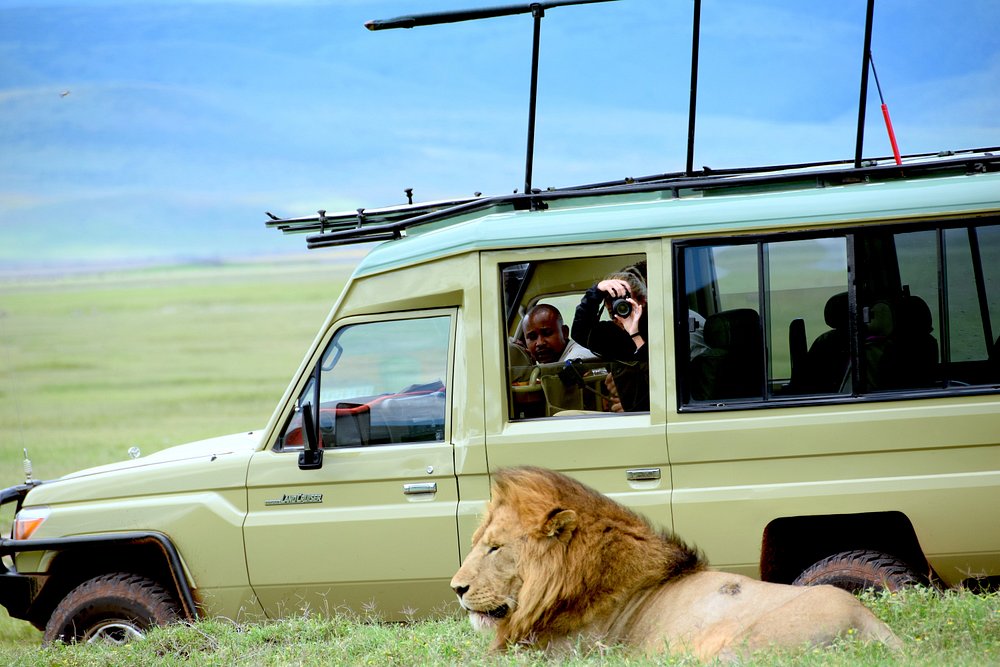
Ngorongoro Crater /Ngorongoro crater tours and safaris
Ngorongoro Crater, The Ngorongoro Crater is one of Africa’s most iconic and spectacular natural wonders. Around two to three million years ago, this ancient volcano—once believed to have been as tall as Mount Kilimanjaro—collapsed in on itself, forming the world’s largest intact caldera, with steep walls rising over 600 meters.
 Thanks to its fertile volcanic soil and permanent water sources, the crater has become a haven for wildlife, hosting one of the highest concentrations of game in Africa. It is home to an incredible diversity of species, including all members of the famed Big Five.
Ngorongoro is truly a breathtaking safari destination. Where else can you experience a wildlife adventure inside an ancient, extinct volcano teeming with life?
How to Get to the Ngorongoro Crater
There are several ways to reach the gates of the Ngorongoro Crater. Many travelers choose to spend a night in Arusha as a convenient stopover before heading out for a few days of safari in Ngorongoro.
Typically, your private guide will pick you up in Arusha and drive you through the scenic Lake Manyara National Park, continuing on to one of the lodges either perched on the crater rim or located further afield in the stunning Ngorongoro Highlands.
Alternatively, you can fly into the area via the Lake Manyara Airstrip, which is the closest airport to the crater and provides quick and easy access to the region.
Ngorongoro Crater Animals
The Ngorongoro Crater is one of the best places in Tanzania to see the legendary Big Five. Among the most prized sightings are the healthy population of endangered black rhinos and some of the largest remaining tusker elephants in Africa. The crater is also home to strong populations of lions, leopards, and spotted hyenas.
In addition, you’ll find thriving herds of wildebeest, buffalo, and zebra roaming the plains. Other notable wildlife includes cheetahs, serval cats, jackals, Grant’s and Thomson’s gazelles, bat-eared foxes, and large flocks of flamingos that often gather around the crater’s soda lake.
Bird enthusiasts will also be thrilled, as the area hosts around 400 recorded bird species, making it a fantastic destination for birdwatching year-round.
Activities
Ngorongoro crater safari gives a strong reason you one should visit Tanzania , Activities within the Ngorongoro Crater itself are primarily limited to game drives. While there are a few designated picnic spots inside the crater, getting out of the vehicle is strictly restricted to these areas for safety and conservation reasons.
However, the wider Ngorongoro Conservation Area offers a diverse range of experiences. Visitors can enjoy guided nature walks, trekking in the scenic highlands, cultural visits to Maasai villages and other local tribes, as well as excursions to the world-renowned Olduvai Gorge—often referred to as the “Cradle of Mankind.”
Together, these activities provide a rich blend of wildlife viewing, cultural interaction, and geological exploration, making a safari in the Ngorongoro region both unique and unforgettable.
When to Go
Wildlife remains in the Ngorongoro Crater year-round, so there’s truly no bad time to visit. However, because the crater floor can become quite crowded with safari vehicles, many travelers prefer the quieter atmosphere of the low season.
Visiting during the low season not only offers a more peaceful experience but also coincides with higher water levels in Lake Magadi—located at the center of the crater—which attracts larger flocks of flamingos.
No matter when you choose to visit Ngorongoro, you can expect incredible wildlife encounters and unforgettable safari moments.
The Facts – How Did the Ngorongoro Crater Form?
The Ngorongoro Crater was formed approximately three million years ago when a massive volcano erupted and then collapsed inward, creating the world’s largest intact volcanic caldera. The collapse of the volcanic cone resulted in the formation of this 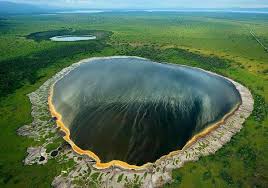 unique geological wonder, which today stands as one of the most remarkable safari destinations in Africa—and indeed, the world.
The crater’s fertile floor, enclosed by steep walls, has become a haven for an extraordinary concentration of wildlife, making it a one-of-a-kind safari experience teeming with life.
For more fascinating facts and a deeper explanation of the crater’s formation, follow the link to our detailed blog post.
How to Reach the park
While it’s possible to fly to the nearest airstrip at Lake Manyara, many travelers opt to drive from Arusha to the Ngorongoro region—and for good reason either by self drive or with a chauffeur . The drive is incredibly scenic, taking you through rolling highlands, rich landscapes, and areas deeply rooted in Maasai culture.
For groups of two or more, driving is often more cost-effective than flying. It also comes with the added benefit of having a private vehicle and guide throughout your journey. This not only offers flexibility and comfort but also enriches your overall safari experience. After exploring the crater and surrounding areas, travelers often choose to fly out of the region to continue their onward journey.