

Planning Your First African Safari: A Complete Beginner’s Guide
Planning Your First African Safari, Planning your first African safari is an exciting step toward experiencing world‑class wildlife, dramatic landscapes, and rich cultural heritage. From spotting the Big Five on classic game drives to enjoying luxury safari lodges deep in the wilderness, a well‑planned safari ensures a smooth, memorable, and rewarding journey. This comprehensive guide covers everything you need to know to plan an African safari with confidence.
1. Choosing the Best African Safari Destination#Planning Your First African Safari
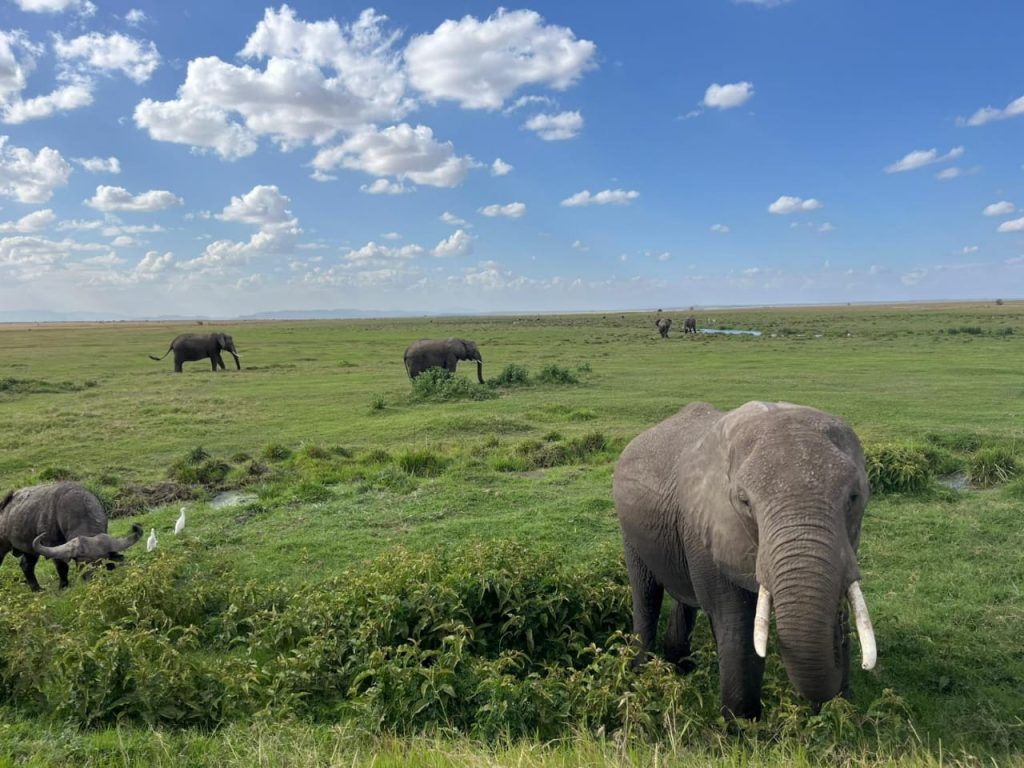 Africa offers a wide range of safari destinations, each delivering unique wildlife encounters and scenery. Choosing the right country depends on your interests, budget, and travel style.
Top African Safari Destinations:
- Kenya and Tanzania: Famous for the Great Migration, the Maasai Mara, Serengeti National Park, and Ngorongoro Crater offer exceptional Big Five safaris.
- South Africa: Ideal for first‑time safari travelers, with excellent infrastructure, malaria‑free reserves, and iconic parks like Kruger National Park and Sabi Sands.
- Botswana: Known for exclusive, low‑impact safaris in the Okavango Delta and Chobe National Park.
- Uganda and Rwanda: Best destinations for gorilla trekking and chimpanzee tracking in Bwindi Impenetrable Forest and Volcanoes National Park.
- Namibia: Offers striking desert landscapes, Etosha National Park, and unique photographic safari opportunities.
Safari Planning Tips:
- Research the best time to visit based on wildlife movement and weather.
- Match the destination to your interests, such as photography, luxury safaris, or primate trekking.
2. Types of African Safari Experiences#Planning Your First African Safari
African safaris come in many styles, allowing travelers to tailor their adventure.
- Game Drive Safaris: Classic wildlife viewing in 4×4 safari vehicles.
- Walking Safaris: Guided bush walks that focus on nature, tracking, and smaller wildlife.
- Boat Safaris: Ideal for rivers and wetlands such as the Okavango Delta or Zambezi River.
- Gorilla and Chimpanzee Trekking: Once‑in‑a‑lifetime encounters with endangered primates.
- Photographic Safaris: Designed for photographers, with specialized vehicles and expert guides.
3. Budgeting for an African Safari
Safari costs vary widely depending on comfort level, destination, and season. Typical safari packages include accommodation, meals, park fees, transport, and guided activities.
Safari Budget Categories:
- Budget Safaris: Camping or basic lodges, perfect for adventurous travelers.
- Mid‑Range Safaris: Comfortable lodges or tented camps with private facilities.
- Luxury Safaris: High‑end lodges, fine dining, private game drives, and personalized service.
Budgeting Tips:
- Confirm what is included in your safari package.
- Plan for extras such as visas, tips, flights, and travel insurance.
4. Booking with a Trusted Safari Tour Operator
Working with an experienced safari tour operator simplifies logistics and enhances safety and comfort. Professional operators arrange accommodations, transport, park permits, and expert guides.
Questions to Ask Your Safari Operator:
- What services are included in the safari package?
- Is the safari private or shared?
- What type of safari vehicles are used?
- What safety and emergency procedures are in place?
Always read reviews and choose operators with strong reputations in African safari travel.
5. What to Pack for an African Safari
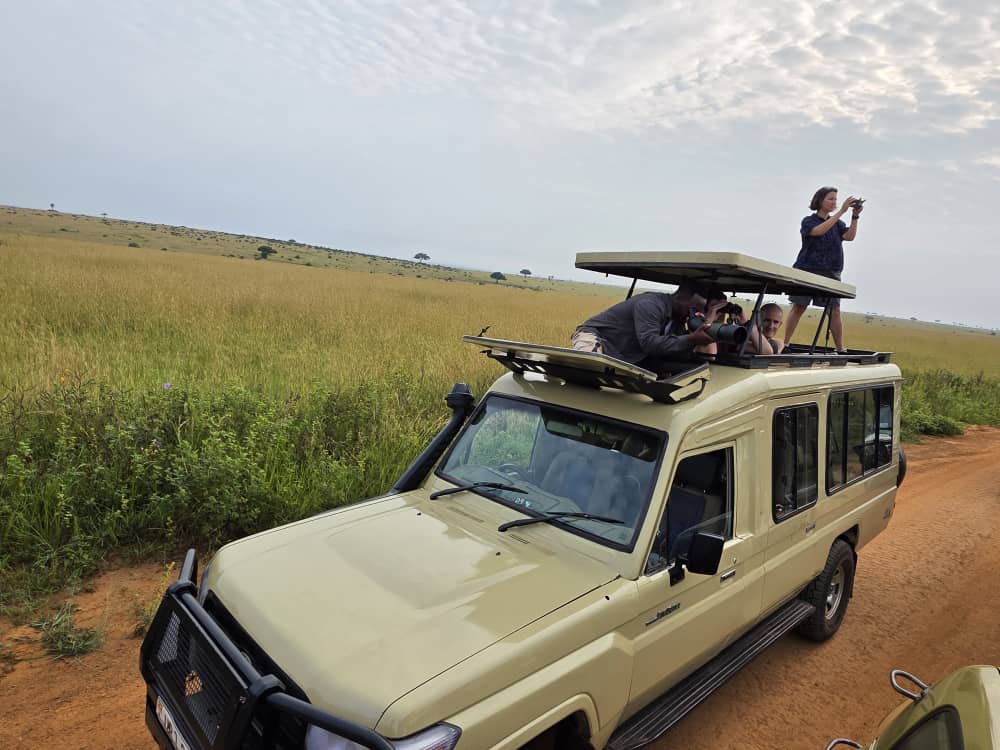 Packing correctly ensures comfort throughout your safari adventure.
Safari Packing Essentials:
- Clothing: Neutral‑colored outfits, light layers, a wide‑brim hat, and sturdy walking shoes.
- Accessories: Binoculars, camera, sunscreen, insect repellent, and reusable water bottles.
- Documents: Passport, visas, travel insurance, vaccination certificates, and booking confirmations.
- Personal Items: Prescription medications, toiletries, and a basic first‑aid kit.
Packing Tips:
- Respect luggage limits, especially on light aircraft flights.
- Avoid bright colors and camouflage clothing.
6. Health and Safety on Safari
Staying healthy and safe is essential when traveling in Africa.
- Vaccinations: Check requirements such as yellow fever and ensure routine vaccinations are current.
- Malaria Prevention: Use antimalarial medication, repellents, and protective clothing where recommended.
- Travel Insurance: Choose coverage that includes medical evacuation and trip cancellation.
Safari Safety Tips:
- Always follow your guide’s instructions.
- Never approach wildlife or exit the vehicle unless permitted.
- Drink bottled or purified water only.
7. Best Time to Go on an African Safari
Timing your safari affects wildlife viewing and overall experience.
- Dry Season (June–October): Best wildlife viewing as animals gather near water sources.
- Wet Season (November–May): Lush landscapes, fewer tourists, excellent birdwatching, and lower rates.
8. Safari Accommodation Options
African safari accommodations range from simple camps to ultra‑luxury lodges.
- Safari Lodges: Permanent structures offering comfort and scenic views.
- Tented Camps: A blend of adventure and luxury with en‑suite facilities.
- Mobile Camps: Seasonal camps that move with wildlife migrations.
Accommodation Tips:
- Book early for peak safari seasons.
- Ask about unique experiences like bush dinners and outdoor bathtubs.
9. What a Typical Safari Day Looks Like
Safari days are structured around wildlife activity.
- Early morning game drives for optimal sightings.
- Midday rest and meals at the lodge.
- Afternoon and evening game drives with sunset views.
- Optional night drives to spot nocturnal animals.
10. Cultural Experiences on Safari
 Many African safaris include cultural visits to local communities. Experiences such as visiting Maasai villages or learning from the San people provide insight into traditional lifestyles and conservation efforts.
11. Responsible and Eco‑Friendly Safari Travel
Sustainable tourism helps protect Africa’s ecosystems.
- Choose eco‑friendly safari lodges.
- Reduce plastic use and respect wildlife rules.
- Support operators committed to conservation and community development.
12. Post‑Safari Travel Ideas
After your safari, extend your trip with relaxation or urban exploration.
Popular post‑safari destinations include Zanzibar, Seychelles, Cape Town, and Victoria Falls.
Conclusion: Start Planning Your African Safari Today
Your first African safari is a journey filled with discovery, adventure, and unforgettable moments. With thoughtful planning, the right destination, and a trusted safari operator, you can create a customized experience that exceeds expectations. From thrilling wildlife encounters to peaceful nights under African skies, your safari adventure awaits.