A Comprehensive Guide to the Great Migration in Kenya
A Comprehensive Guide to the Great Migration in Kenya, The Great Migration in Kenya is widely regarded as one of the most extraordinary wildlife spectacles on Earth. Every year, millions of wildebeest, zebras, and gazelles move across vast landscapes in search of fresh grazing, creating a dramatic cycle of life, survival, and renewal. Witnessing this natural phenomenon in Kenya, particularly in the iconic Masai Mara National Reserve, is a dream for many travelers and wildlife enthusiasts.
This detailed guide is designed to give readers a clear and complete understanding of the Great Migration in Kenya—what it is, when and where it happens, how to plan your trip, and how to experience it responsibly and comfortably, while maintaining strong SEO value and relevant keywords.
What Is the Great Migration?#A Comprehensive Guide to the Great Migration in Kenya
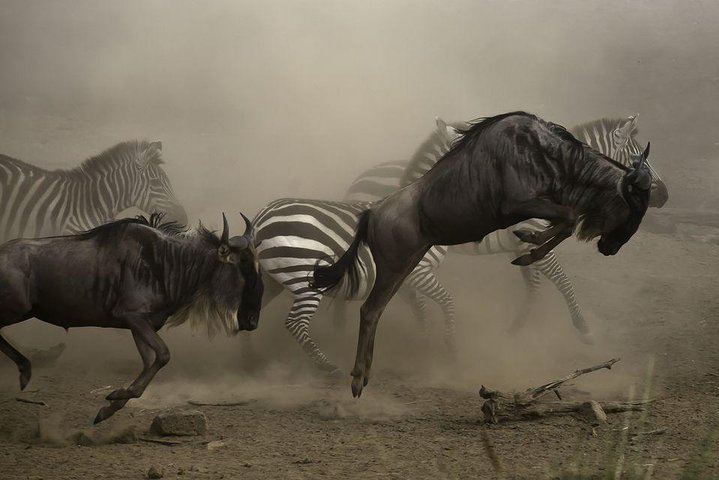 The Great Wildebeest Migration is a continuous, year-round movement of over 1.5 million wildebeest, accompanied by hundreds of thousands of zebras and gazelles. These animals follow ancient migratory routes between Tanzania’s Serengeti National Park and Kenya’s Masai Mara, driven primarily by rainfall patterns and the search for fresh pasture.
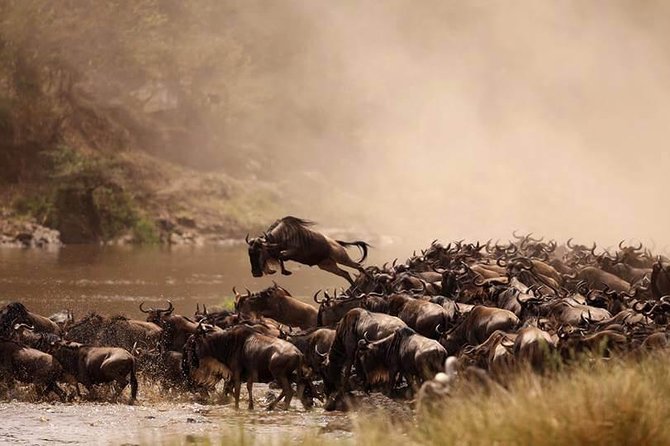
While the migration spans both countries, Kenya offers some of the most dramatic and unforgettable moments—especially the famous Mara River crossings. Here, massive herds plunge into crocodile-infested waters, creating scenes of raw power and survival that define the Great Migration in Kenya.
Why the Great Migration in Kenya Is So Special#A Comprehensive Guide to the Great Migration in Kenya
Kenya’s role in the Great Migration is unique because it delivers high-impact wildlife encounters in relatively open landscapes. The Masai Mara’s rolling plains make it easier to spot predators such as lions, leopards, and cheetahs as they take advantage of the abundance of prey.
Unlike some destinations, Kenya also offers excellent safari infrastructure, including luxury lodges, tented camps, and well-maintained access roads. This allows travelers to enjoy the migration in comfort, style, and safety without compromising the authenticity of the wilderness experience.
For official conservation updates, park regulations, and entrance fees, travelers are advised to consult the Kenya Wildlife Service (KWS).
When Does the Great Migration Happen in Kenya?
Timing is critical when planning a Great Migration safari in Kenya. Although the migration is a year-round cycle, the most anticipated period occurs between July and October, when the herds cross from Tanzania into the Masai Mara.
Key Migration Months in Kenya
- July to August: Early arrivals of wildebeest into the Masai Mara; initial river crossings begin.
- September to October: Peak migration season with frequent Mara River crossings and intense predator activity.
- November: Herds begin their journey back south toward the Serengeti.
It is important to note that nature is unpredictable. Rainfall patterns can affect the exact timing, which is why working with experienced safari planners is highly recommended.
Best Places to See the Great Migration in Kenya
Masai Mara National Reserve
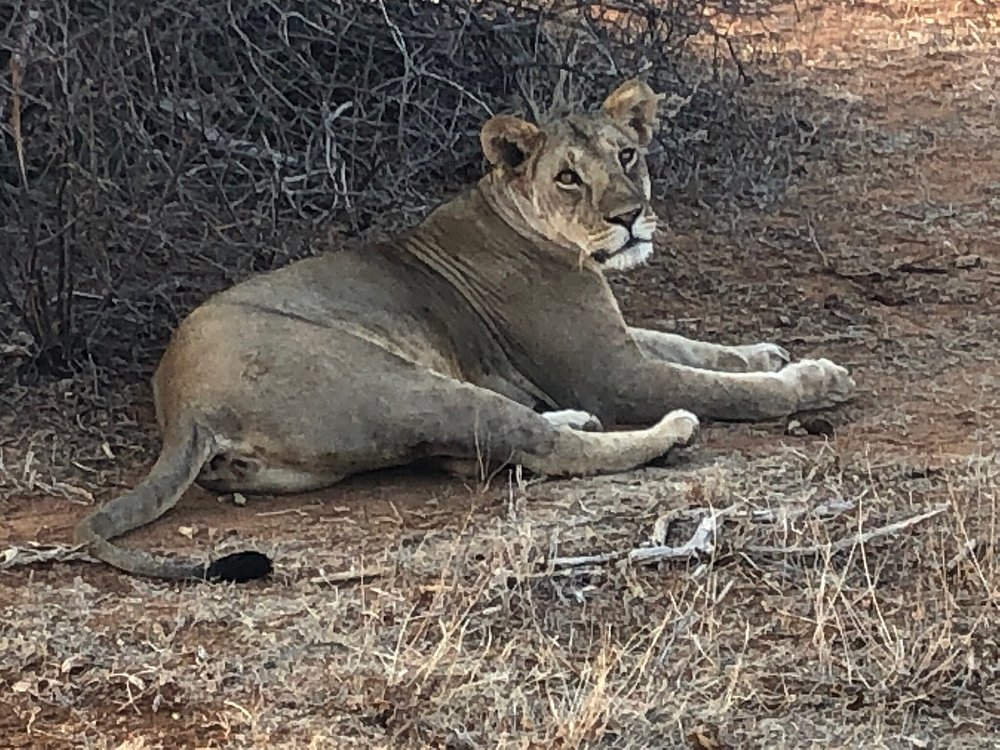 The Masai Mara National Reserve is the heart of the Great Migration in Kenya. It offers vast open savannahs, high predator densities, and access to the Mara River—making it the prime location for migration safaris.
Mara River
The Mara River is the stage for the most dramatic moments of the migration. River crossings are intense, unpredictable, and emotionally powerful, often lasting only minutes but leaving a lasting impression.
Private Conservancies
Private conservancies bordering the Masai Mara, such as Olare Motorogi and Naboisho, provide a more exclusive migration experience. These areas allow off-road driving, night game drives, and walking safaris, adding depth to your wildlife adventure.
How to Plan the Perfect Great Migration Safari in Kenya
Planning a successful Great Migration safari requires careful preparation. Below are essential factors to consider:
Choose the Right Safari Style
Travelers can choose from:
- Guided group safaris
- Private luxury safaris
- Fly-in safaris
- Self-drive safaris for experienced adventurers
Each option offers a different balance of cost, comfort, and flexibility.
Select Suitable Accommodation
During migration season, accommodation fills quickly. Options range from luxury lodges overlooking the plains to mobile tented camps strategically positioned near river crossing points.
Booking early is strongly advised, especially for travel between July and October.
Safari Vehicles and Guides
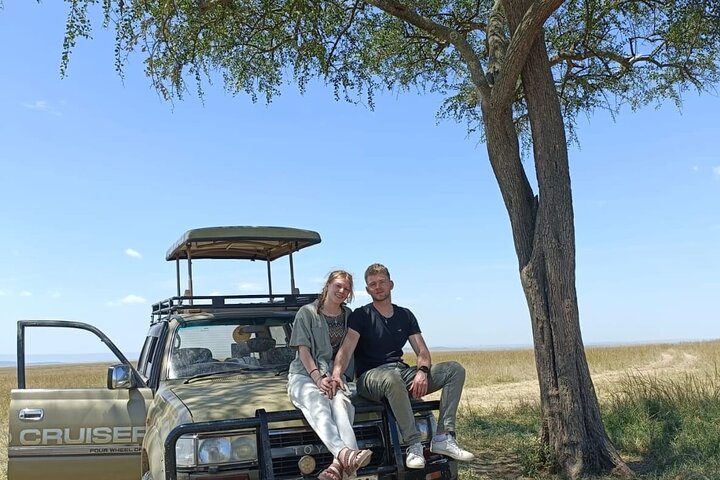 A reliable 4×4 safari vehicle and an experienced guide are crucial for maximizing sightings. Professional guides understand animal behavior, migration patterns, and the best times and locations for river crossings.
What Wildlife to Expect During the Migration
While wildebeest dominate the landscape, the Great Migration in Kenya also attracts a wide range of wildlife:
- Lions, leopards, and cheetahs
- Hyenas and jackals
- Elephants and buffalo
- Giraffes, hippos, and crocodiles
- Over 400 bird species in the Masai Mara
This abundance makes migration season one of the best times for photography and wildlife observation.
Responsible and Sustainable Migration Safaris
The Great Migration is a fragile natural process that requires responsible tourism practices. Visitors are encouraged to:
- Respect park rules and wildlife space
- Avoid crowding animals at river crossings
- Support eco-friendly lodges and community conservancies
- Book with responsible tour operators
Sustainable travel helps protect wildlife habitats and supports local Maasai communities who coexist with these ecosystems.
Practical Tips for Travelers
- Pack neutral-colored clothing
- Bring binoculars and a zoom camera lens
- Carry sun protection and insect repellent
- Stay patient—river crossings happen on nature’s schedule
- Purchase comprehensive travel insurance
Final Thoughts: Experiencing the Great Migration in Kenya
The Great Migration in Kenya is more than a safari—it is a powerful reminder of nature’s rhythm and resilience. From the thunder of hooves across the plains to the heart-stopping drama of Mara River crossings, this experience leaves travelers with lifelong memories.
With careful planning, the right timing, and responsible travel choices, witnessing the Great Migration in Kenya becomes a deeply rewarding adventure that combines wildlife, culture, and conservation. Whether you are a first-time safari traveler or a seasoned explorer, the Masai Mara during migration season remains one of Africa’s most awe-inspiring destinations.
For accurate and up-to-date information, always refer to the Kenya Wildlife Service and trusted safari specialists when planning your journey.