Kenya Self-Drive Safari: The Parks Where You Can (and Can’t) Drive Yourself
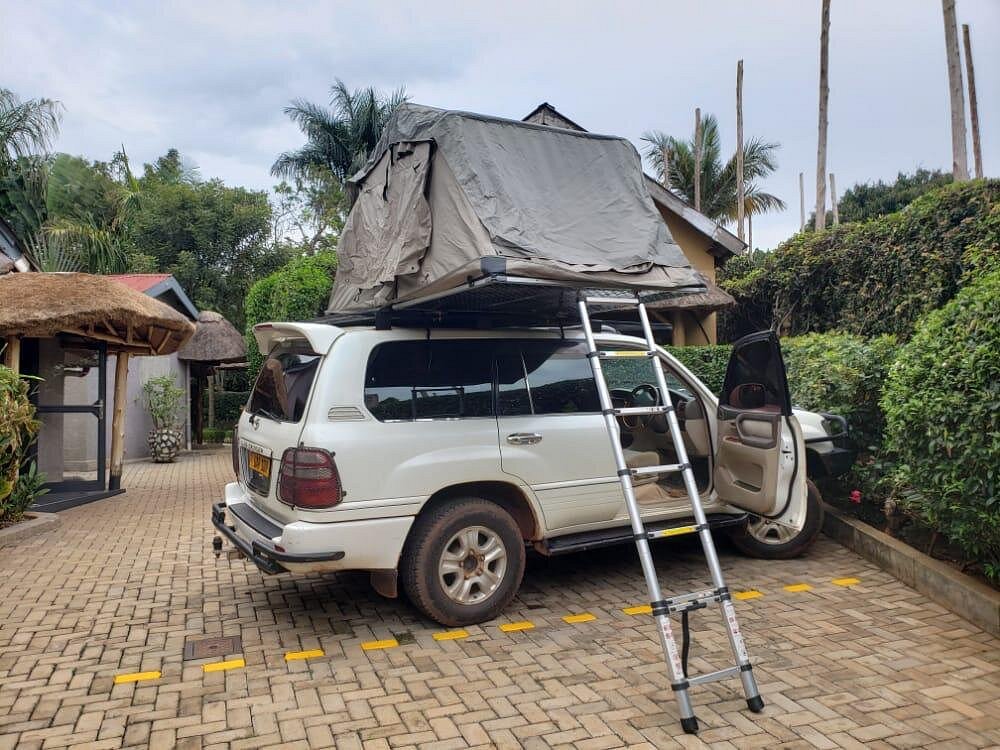
Kenya Self-Drive Safari: The Parks Where You Can self drive , A Kenya safari does not always have to mean sitting in the back of a tour van with a driver-guide. For adventurous travellers, a Kenya self-drive safari offers something different: the freedom to choose your route, stop when you want, spend more time at a viewpoint, and wake up in a rooftop tent surrounded by the sounds of the African bush.
But there is an important detail many first-time travellers discover too late: you cannot assume that every national park, reserve or conservancy in Kenya allows self-driving under the same conditions.
Some protected areas are well suited to independent 4×4 travellers. Others have restrictions on vehicle types, operating hours, roads or access. The situation can also differ between a national park and a neighbouring private conservancy.
If you are planning a Kenya self-drive safari with a rooftop tent, understanding these differences before collecting your rental vehicle can save you time, money and unnecessary problems at the gate.
Can You Self-Drive on a Kenya Safari?
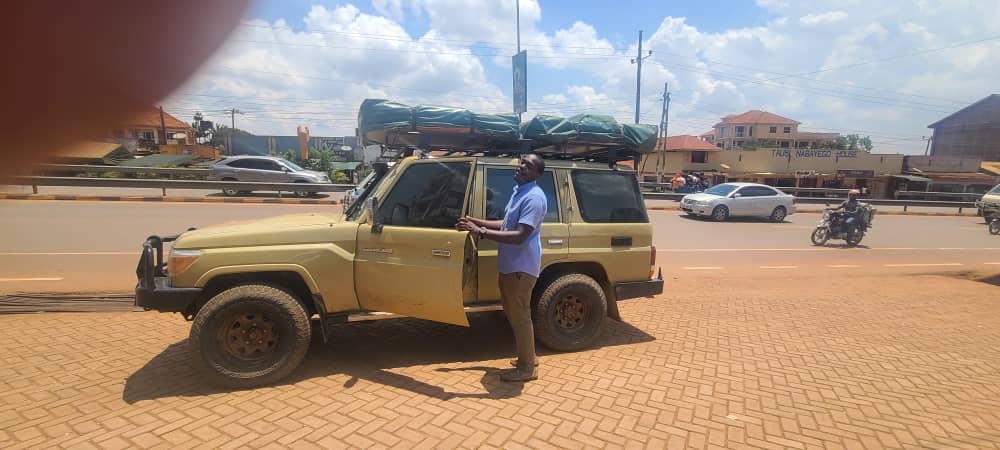 Yes, self-drive safaris are possible in Kenya, particularly in protected areas where independent visitors are permitted to enter with suitable vehicles. However, self-drive does not mean driving wherever you want.
Kenya Wildlife Service (KWS) rules generally require visitors to remain on established roads and tracks, respect wildlife, observe speed limits and follow park opening and closing times. For example, KWS guidance for Amboseli, Tsavo and Lake Nakuru states a maximum speed of 40 km/h and prohibits off-road driving.
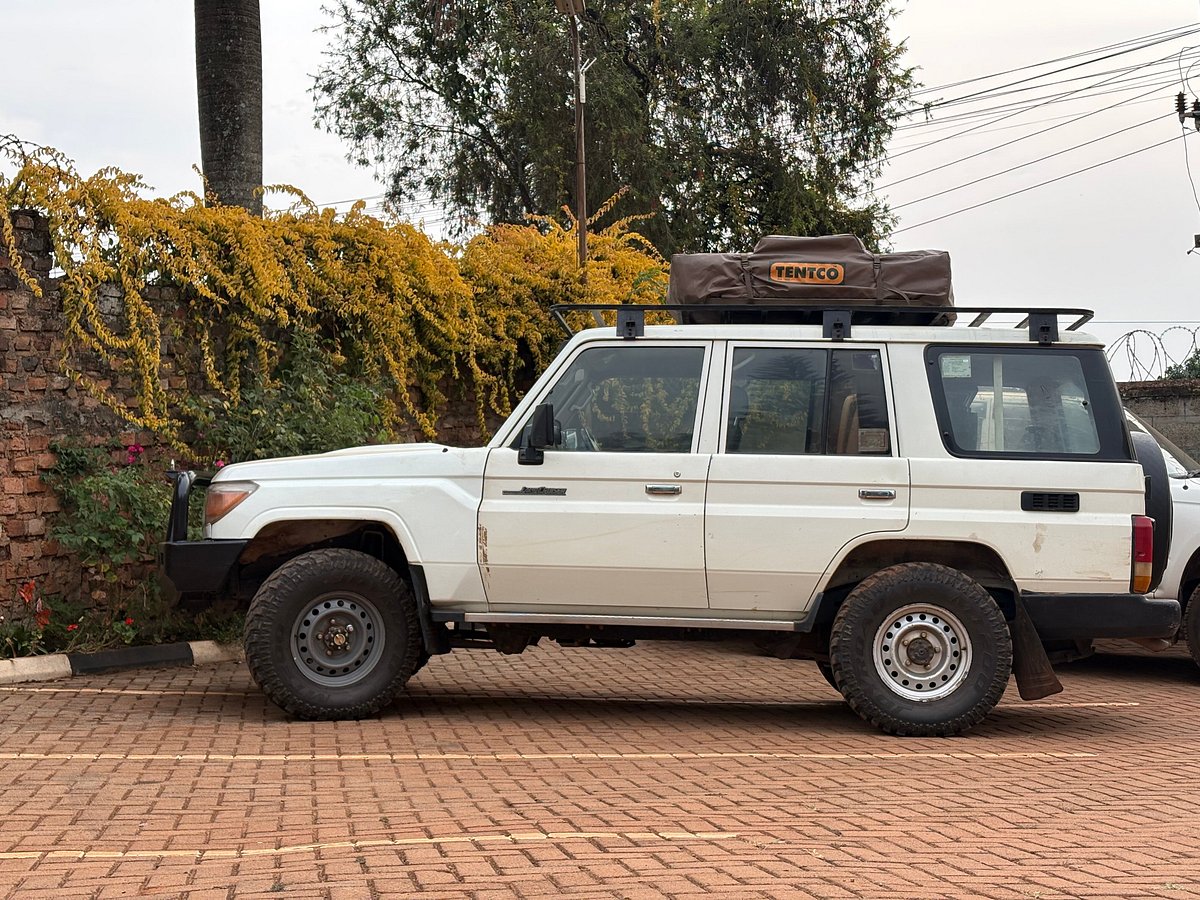
A proper 4×4 safari rental in Kenya is therefore much more appropriate than an ordinary city rental car. For a rooftop-tent trip, look for a vehicle with good ground clearance, reliable suspension, at least one full-size spare tyre and recovery equipment. If your itinerary includes rougher routes, having two spare tyres can be particularly useful.
Amboseli National Park: A Popular Choice for Self-Drive
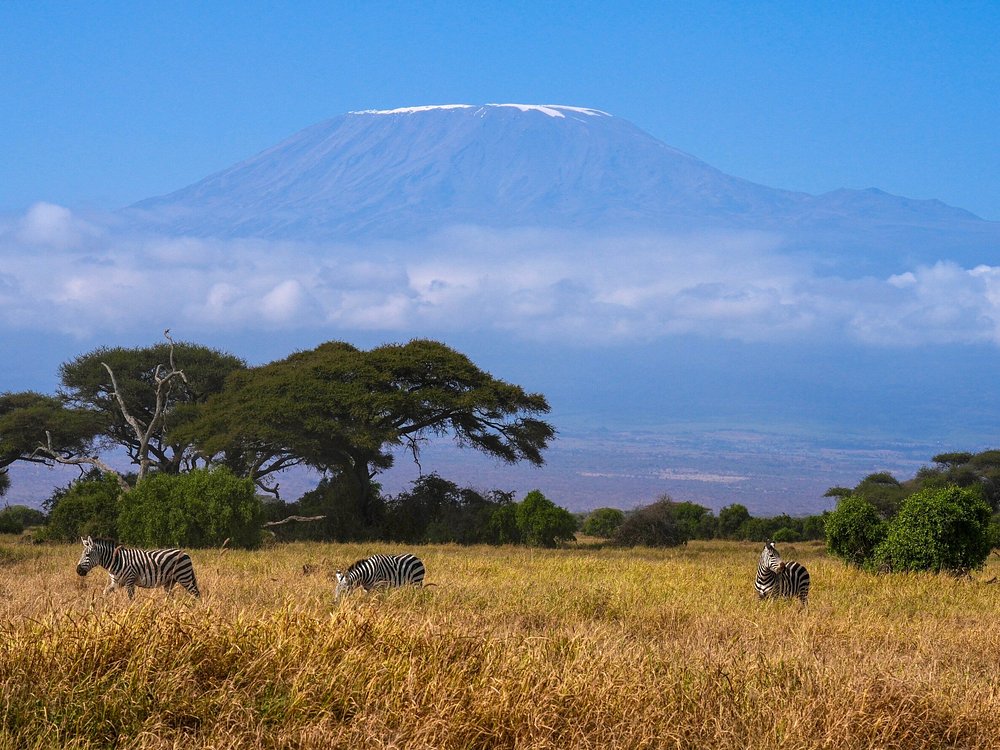
Amboseli National Park is one of the most attractive destinations for a Kenya self-drive safari. The park is famous for its large elephant population and spectacular views towards Mount Kilimanjaro. It can also fit naturally into a longer road trip from Nairobi towards the Kenya-Tanzania border.
KWS lists several access points, including Iremito, Kimana and Meshanani gates. The park’s official visitor guidance permits vehicles to use established roads and tracks while requiring visitors to respect the 40 km/h speed limit.
For rooftop-tent travellers, Amboseli can work particularly well because you can combine wildlife viewing with camping or accommodation outside the park.
Important: park rules still apply even when you are driving your own rental vehicle. Wildlife has priority, and you should never leave established routes simply to get closer to an animal.
Tsavo East and Tsavo West: Excellent for a 4×4 Adventure
If your idea of a Kenya self-drive safari includes long stretches of wilderness and a genuine overland feeling, Tsavo deserves serious consideration.
Tsavo East National Park and Tsavo West National Park together form one of Kenya’s largest protected landscapes.
Both parks are accessible by road, and KWS provides visitor guidance covering speed limits, established roads, wildlife safety and park operating hours. KWS currently states a 40 km/h maximum speed and prohibits off-road driving in these parks.
 This makes a capable Land Cruiser rooftop tent rental a useful option for travellers who want flexibility without giving up the security of a properly equipped safari vehicle. Tsavo can also be incorporated into a longer Kenya road trip connecting Nairobi, Amboseli, Tsavo and the coast.
Take your time, however. Roads can be rough, and distances inside large wildlife areas can be deceptive.
Lake Nakuru National Park: Self-Drive With Clear Rules
Lake Nakuru National Park is another destination where independent travellers can enjoy wildlife viewing from their own vehicle. The park is relatively accessible from Nairobi and Nakuru, making it convenient for travellers building a longer Kenya road trip. KWS specifically states that visitors must follow park entry and exit times, remain on established roads and trails, observe the 40 km/h speed limit and remain inside their vehicle except in designated areas.
For a first-time self-driver, this type of clearly regulated environment can make the experience easier to manage.
Nairobi National Park: Convenient, But Don’t Ignore the Rules
For travellers arriving in Nairobi and wanting a quick introduction to Kenyan wildlife, Nairobi National Park is conveniently located close to the capital. It can be included at the beginning or end of a self-drive itinerary, although it is important to remember that being close to Nairobi does not make it an ordinary city driving environment.
KWS rules require visitors to remain in their vehicles except in designated areas, stay on established roads and respect the 40 km/h speed limit. It can therefore be an interesting first or final stop before returning your Kenya rental car.
Maasai Mara: The Destination Where You Need to Read the Rules Carefully
The Maasai Mara National Reserve is where self-drive travellers need to be particularly careful with online information.
The Mara is not simply one uniform area. There is the National Reserve, the Mara Triangle and a network of surrounding conservancies, with different management arrangements and rules. The current Maasai Mara management plan states that visitors must use designated entry points and follow specific driving regulations. It also specifies a maximum speed of 50 km/h on graded roads and 30 km/h on other roads, with different rules applying to off-road driving in different zones.
Most importantly for people planning a late evening drive, the management plan requires visitors to be out of the Reserve by 19:00 if staying outside, or back at their accommodation by 19:00 if staying inside. It also states that entry after 18:30 is not permitted.
So don’t confuse the Maasai Mara National Reserve with surrounding private conservancies.
Night drives may be available in selected conservancies, where they are operated under separate rules, while night game drives are not permitted inside the National Reserve.
What about self-driving in the Mara?
This is an area where travellers should confirm the current access conditions before travelling. Rules concerning private vehicles and safari-standard vehicles have changed, and published information is not always consistent.
 Kenya News Agency reported a 2024 Narok County directive restricting private vehicles used for game drives in the Reserve. Because of these changes, anyone planning a self-drive Maasai Mara safari should confirm the current vehicle requirements, access arrangements and applicable rules with the relevant reserve management or accommodation provider before departure.
Parks and Reserves Where Rules Can Differ
Kenya has many other protected areas, including Meru National Park, Aberdare National Park, Mount Kenya National Park, Hell’s Gate National Park, Mount Longonot and Shimba Hills.
Self-drive possibilities vary according to the destination, vehicle, road conditions and current management requirements. KWS provides visitor rules for its parks that commonly include staying on established routes, respecting wildlife, observing speed limits and following entry and exit times.
The important lesson is simple: Never assume that because you can self-drive in one Kenyan park, you automatically have the same access in another.
National Parks vs Private Conservancies
One of the biggest mistakes when planning a Kenya self-drive safari is treating national parks, national reserves and private conservancies as the same thing.
They are not.
A national park or reserve normally has clearly defined regulations governing entry, roads, wildlife viewing and operating hours. Private or community conservancies may have different arrangements. Some offer activities that are not permitted inside the National Reserve, including selected night drives and walking experiences.
This difference is especially important around the Mara. If you want a rooftop tent safari in Kenya, always ask your accommodation or rental company exactly where the campsite is located and whether it is inside a national park, national reserve or conservancy.
What 4×4 Should You Hire for a Kenya Self-Drive Safari?
For a serious Kenya road trip, a properly equipped 4×4 safari vehicle with a rooftop tent is generally the practical choice.
Depending on your itinerary, useful features include:
- High ground clearance
- Strong suspension
- 4WD capability
- At least one full-size spare tyre
- Recovery equipment
- Reliable jack
- Basic tyre-repair equipment
- Fridge or cooler
- Rooftop tent
- Camping mattress and sleeping equipment
- Long-range fuel capacity where appropriate
- Offline maps and navigation
A Land Cruiser is particularly popular for longer East African overland journeys because of its suitability for rough roads and remote travel.
Can You Drive at Night in Kenyan National Parks?
This is another area where travellers should be cautious. Many protected areas restrict vehicle movement to daylight hours. KWS park guidance commonly specifies gate opening and closing times, while the Maasai Mara National Reserve expressly prohibits night game drives. A short night journey on a public road outside a protected area is a different matter from driving around inside a national park.
For a self-drive safari, the safest approach is to plan to reach your campsite or lodge before darkness unless you have specifically confirmed that after-dark access is permitted. This also gives you a better chance of dealing with a puncture, mechanical problem or navigation mistake while assistance is still available.
Practical Tips for First-Time Kenya Self-Drivers
Before setting off, keep these simple principles in mind:
1. Carry enough fuel.
Fuel stations can be widely spaced in remote safari regions.
2. Download offline maps.
Mobile coverage can be unreliable in wildlife areas.
3. Don’t depend entirely on Google Maps.
Road conditions and tracks can change, particularly after heavy rain.
4. Drive slowly around wildlife.
Animals can appear suddenly on or beside the road.
5. Keep your distance.
A safari is about observing wildlife, not chasing it.
6. Check park rules before entering.
Regulations can change.
7. Tell your rental company your complete route.
A vehicle suitable for Nairobi and paved highways may not be the same vehicle recommended for remote safari tracks.
8. Carry recovery equipment.
A spare tyre, recovery strap, shovel and suitable jack can make a major difference.
9. Avoid unnecessary night driving.
Wildlife, livestock, potholes and limited roadside assistance make darkness more challenging.
Plan Your Kenya Self-Drive Safari Around the Rules
A Kenya self-drive safari can be one of the most rewarding ways to explore the country, particularly for travellers who enjoy independence and overland adventure. The key is not simply choosing a powerful 4×4. It is understanding where you can drive, when you can drive, which roads you can use and whether the protected area permits independent visitors under its current regulations.
Amboseli, Tsavo and Lake Nakuru can all form part of a well-planned self-drive itinerary, while destinations such as the Maasai Mara require more careful checking because reserve and conservancy rules differ. For travellers using a rooftop tent car rental in Kenya, planning ahead is especially important. Choose the right 4×4, confirm your park access, understand camping arrangements and leave enough time to reach your accommodation before closing hours.
The result is a safari that feels less like following a fixed schedule and more like what a great African road trip should be: your route, your vehicle, your campsite and the freedom to experience Kenya at your own pace—while respecting the rules that protect its wildlife.