Return Safari Kenya: Why Repeat Travellers Fall in Love All Over Again
Return Safari Kenya: Why Repeat Travellers Fall in Love All Over Again, A first safari in Kenya is pure magic. You watch the Great Migration thunder across the Masai Mara, stand in awe as elephants move beneath Mount Kilimanjaro in Amboseli, tick off the Big Five, and feel the endless openness of the African savannah. Those moments stay etched in your memory forever. Yet the travellers who come back for a second safari Kenya or even a third discover something deeper and more rewarding.
A return safari Kenya is rarely about collecting more firsts. It becomes about slowing down, noticing the smaller details, and exploring the quieter corners that most first-timers never reach. Kenya keeps revealing new layers with every visit, and that is exactly why so many people fall in love with the country all over again. If you are wondering why repeat travellers return to Kenya, the answer lies in the freedom to go deeper, stay longer, and experience the bush with fresh eyes.
When you plan that return trip, having the right vehicle makes a real difference. 4×4 Kenya car rental as one of the best car rental companies in Kenya with the best service gives you reliable Land Cruisers, Prados and other safari-ready vehicles. Whether you prefer a private driver-guide or the freedom of a self-drive or guided 4×4 safari Kenya, their well-maintained fleet and local knowledge help you reach both the classic parks and the quieter corners with complete confidence. Choosing the best 4×4 car rental Kenya for safari ensures your journey is smooth from the moment you leave Nairobi.
Why a Second Safari in Kenya Feels Completely Different# Return Safari Kenya: Why Repeat Travellers Fall in Love All Over Again
On your first trip you tend to move quickly. You carry a mental checklist: Migration, Amboseli elephants, Big Five. Everything feels new and exciting, so you race from one highlight to the next, eager not to miss anything.
The second time the pressure simply drops away. You already know what a lion looks like. Now you can sit and watch a pride for a full hour, notice how the cubs tumble and play, or simply listen to the bush come alive at dawn. The entire focus shifts from “how many animals can I see?” to “how deeply can I experience this place?” This slower pace safari Kenya approach is what makes a return visit feel so different and so much more meaningful.
Trading the Bucket List for Meaningful Moments#Return Safari Kenya: Why Repeat Travellers Fall in Love All Over Again
Instead of packing every single day with new parks, many people on a second safari Kenya choose to stay three or four nights in one area. That extra time lets you settle into the rhythm of the land. You begin recognising individual elephants by their tusks or ear notches, learning the distinctive calls of different birds, and understanding why a particular valley or river bend is favoured by leopards. These small discoveries create a sense of connection that a rushed itinerary can never deliver.
Slowing Down and Appreciating the Details
The greatest luxury of a return safari Kenya is simply time. Time to watch a herd of elephants move slowly across the plains without any urge to rush to the next sighting. Time to notice how the light softens and changes across the landscape at different hours of the day. Time to sit around a campfire in the evening and talk with your guide about everything you observed. This is the heart of a slower pace safari Kenya – the chance to absorb rather than simply collect experiences.
Building on What You Already Know
Everything you learned on the first trip becomes a real advantage. You already understand basic safari etiquette and the fundamentals of wildlife behaviour. That knowledge lets you ask better questions and notice far subtler interactions. Suddenly a gerenuk standing tall on its hind legs to browse, or a serval slipping silently through the grass, feels every bit as thrilling as seeing a lion did the first time around. Looking beyond the Big Five Kenya becomes natural once the initial excitement has settled.
Looking Beyond the Big Five Kenya
The Big Five remain impressive, of course. But on a second safari Kenya many travellers find themselves equally (or even more) excited by the rarer and smaller creatures that most first-time visitors overlook.
A graceful gerenuk reaching high into a thorny bush, a secretive serval hunting in the fading light, or a nocturnal civet caught briefly in the spotlight can become the highlight of an entire day. These sightings reward patience and a keen eye – qualities that develop naturally when you are no longer racing through a checklist. Looking beyond the Big Five Kenya opens up a whole new layer of the ecosystem.
Birdlife, reptiles and insects also start to matter far more. Colourful bee-eaters flashing in the sunlight, majestic raptors circling overhead, and the intricate web of life that supports the larger mammals all become part of the story. Your guide can help interpret behaviour and social dynamics that would almost certainly have gone unnoticed on a first visit. This richer appreciation is one of the main reasons why repeat travellers return to Kenya.
Masai Mara Private Conservancies Return Safari: Rediscovering Beyond the Main Reserve
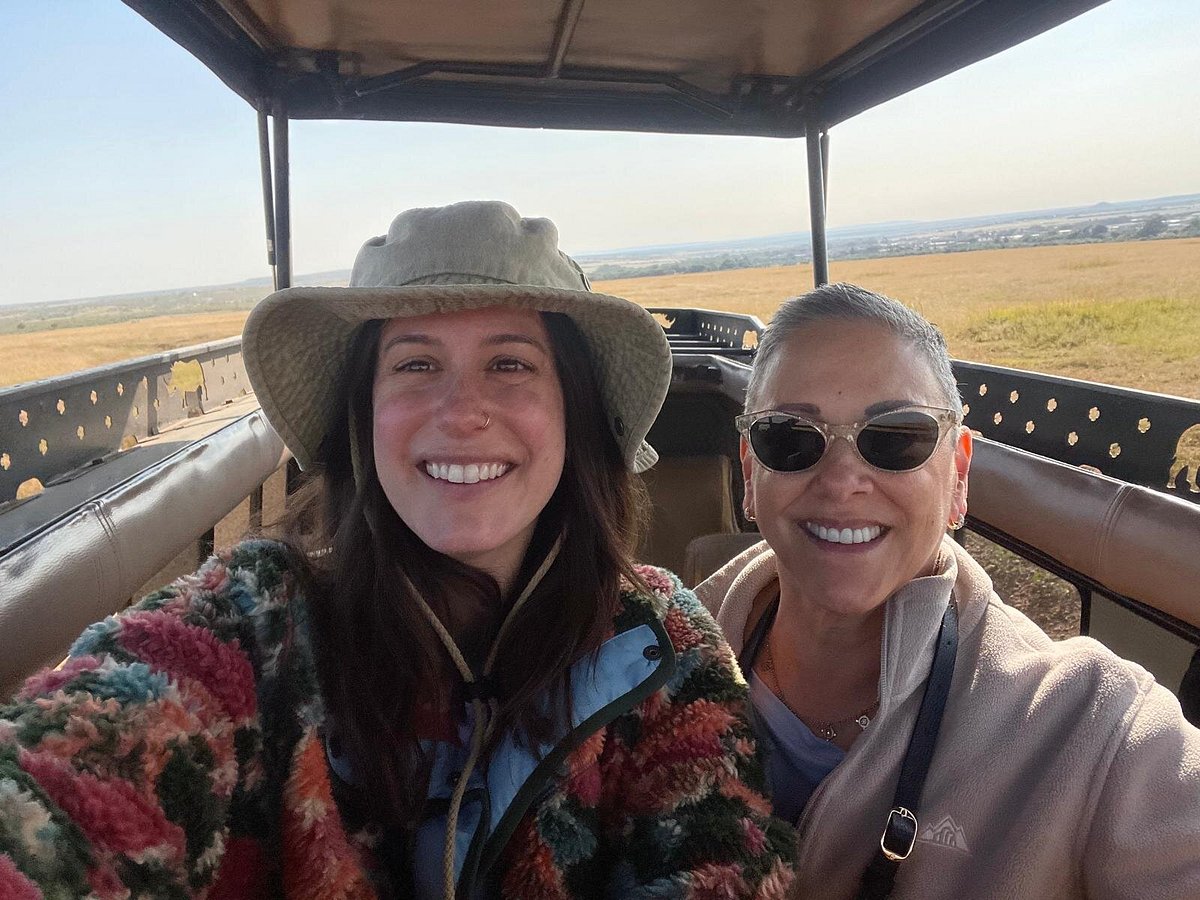
 The Masai Mara is rightly famous for the dramatic river crossings of the Great Migration, yet the real magic for return travellers often lies in the private conservancies that surround the main reserve. A Masai Mara private conservancies return safari offers a completely different feeling from the busy public areas.
Places such as Naboisho or Ol Kinyei conservancy Kenya deliver vast open plains, excellent year-round wildlife viewing and far fewer vehicles. Lions, leopards, elephants and large resident herds are commonly seen, and the sense of space and exclusivity is wonderful. Night drives and guided walking safaris are usually possible here – activities that are restricted inside the main reserve. Many return travellers deliberately choose to spend three or four nights in one of these conservancies so they can explore different sections each day, follow up on previous sightings, and truly settle in.
Staying longer also makes it easy to add a balloon safari at dawn if you wish, floating silently above the plains as the sun rises. The combination of space, fewer vehicles and greater activity options is why so many people rank the Masai Mara private conservancies among the best second safari destinations Kenya has to offer.
Northern Kenya: A Completely Different Side of Safari
If the Mara already feels familiar, the north of the country opens up a wilder and quieter alternative that many seasoned travellers prefer. This is where some of the best second safari destinations Kenya can be found.
Samburu National Reserve second safari experiences are defined by arid, dramatic landscapes, the life-giving Ewaso Ng’iro River and the famous Samburu Special Five – Grevy’s zebra, reticulated giraffe, gerenuk, Beisa oryx and Somali ostrich. Lions, leopards and elephants thrive here too. With low visitor numbers, the animals behave more naturally and many sightings feel intimate and uninterrupted. A few nights in Samburu often becomes a highlight of any return itinerary.
Further west, the Laikipia Plateau rhino safari and Ol Pejeta Conservancy Kenya bring rugged scenery, strong predator populations and outstanding conservation work. Here you can track both black and white rhinos (including the last remaining northern white rhinos), look for African wild dogs, and enjoy activities that go well beyond classic game drives – walking safaris, night drives and genuine cultural encounters with local communities. The sense of wilderness is powerful and the experiences feel deeply personal. For many people these northern destinations represent the true heart of a return safari Kenya.
Amboseli Elephants Kilimanjaro Return Visit
Amboseli remains one of Kenya’s most photogenic parks, famous for its large elephant herds moving across open plains with the snow-capped summit of Mount Kilimanjaro as a backdrop. An Amboseli elephants Kilimanjaro return visit often shifts the focus from simply seeing the elephants to spending longer observing family dynamics, dust bathing, and the way the soft light changes across the landscape at different times of day.
The park is generally quieter than the peak Masai Mara season and pairs beautifully with time in Tsavo or a nearby conservancy. Many return travellers find that lingering here for three or four nights allows them to appreciate the elephants and the mountain views in a way that a single rushed day never could.
Tsavo East West Wilderness Safari: Kenya’s Vast Untamed Landscape
Tsavo East and West together form one of Kenya’s largest protected areas and offer a true Tsavo East West wilderness safari. Red-dusted elephants, maneless lions, dramatic ancient lava landscapes and the chance of seeing the rare hirola antelope create a completely different atmosphere from the Mara. Game drives often take place without another vehicle in sight for long stretches, giving a genuine feeling of exploration.
The sheer scale and solitude of Tsavo appeal strongly to travellers who want raw wilderness on their second safari Kenya. It is the perfect counterpoint to the more famous northern and central parks and frequently ranks among the best second safari destinations Kenya has for those seeking space and authenticity.
The Luxury of Staying Longer on a Return Safari Kenya
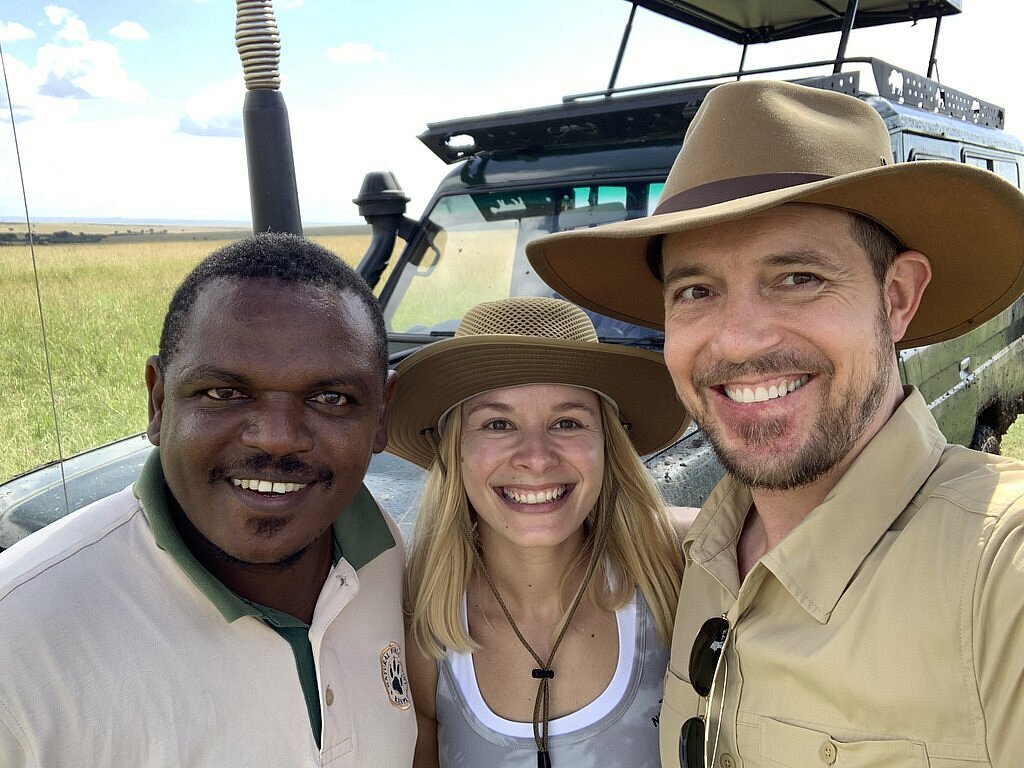
 One of the biggest shifts on a return safari Kenya is the conscious decision to slow down. Choosing three or four nights in one location instead of moving every day transforms the entire experience.
You settle into the daily rhythm of the bush. Guides learn your preferences and interests. Sightings often improve simply because there is time to follow up on tracks or previous observations. Afternoons can be spent relaxing at camp, watching wildlife from the veranda, reading, or simply enjoying the quiet. Sundowners on a scenic ridge, short walking safaris, and long conversations around the campfire become as memorable as the game drives themselves. These unhurried moments create a deeper connection – both with nature and with the people sharing the journey. This is the essence of a slower pace safari Kenya.
Building a Real Relationship with Your Guide
On a first safari the guide’s main job is often to find as many animals as possible. On a return trip the relationship usually deepens. Trust grows. Conversations move from “there’s a lion” to discussions about pride dynamics, individual animal histories, habitat preferences, and the conservation challenges facing the area.
You begin learning to read the bush yourself – tracks in the dust, distant calls, wind direction, and the subtle signs that indicate animals are nearby. What once looked like empty landscape gradually becomes rich with information and possibility. That skill is one of the most satisfying and lasting rewards of coming back for a second safari Kenya.
Frequently Asked Questions About a Return Safari Kenya
Is a second safari in Kenya worth it? Yes. Most people find a second safari Kenya even more rewarding than the first because the pressure is off and the focus shifts to deeper, more personal experiences.
Which areas are the best second safari destinations Kenya offers? Masai Mara private conservancies (especially Naboisho or Ol Kinyei conservancy Kenya), Samburu National Reserve, Laikipia Plateau and Ol Pejeta Conservancy Kenya, Tsavo East and West, and a longer Amboseli elephants Kilimanjaro return visit all offer excellent fresh perspectives.
Should I revisit the Masai Mara or explore further afield? Both have strong appeal. Many travellers combine a few nights in a quieter Mara conservancy with time in Samburu, Laikipia or Tsavo for maximum variety on their return safari Kenya.
How many nights should I stay in each area? Three to four nights per location is ideal for a slower pace safari Kenya. It reduces travel fatigue and allows a genuine connection with each place.
What experiences appeal most to repeat guests? Extended observation of animal behaviour, walking safaris, night drives in conservancies, rhino tracking on the Laikipia Plateau, and simply spending more unhurried time in one camp.
When is the best time for a return safari Kenya? Any season can work well. Many people deliberately choose a different time of year from their first visit so they experience familiar areas in a completely new light.
Conclusion: Kenya Rewards Those Who Return
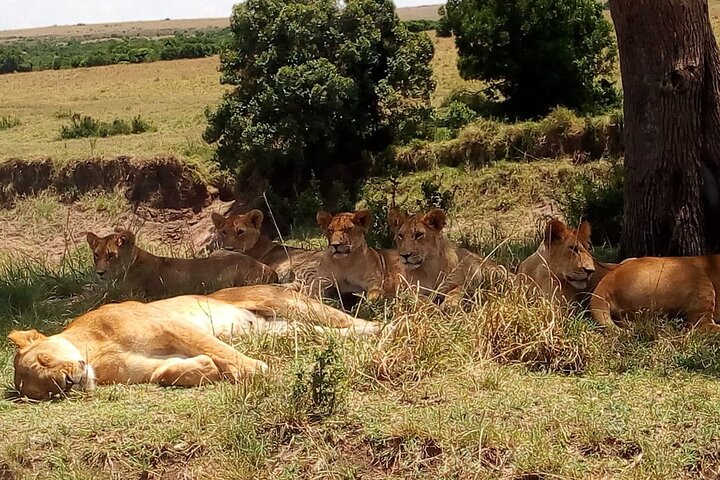 Kenya rarely shows you everything on the first visit. The iconic highlights leave a lasting impression, but the quieter conservancies, different seasons, and a slower pace safari Kenya reveal an even richer and more layered story.
Whether you head to the Masai Mara private conservancies for a return safari, explore the arid beauty of Samburu National Reserve, track rhinos on the Laikipia Plateau or at Ol Pejeta Conservancy Kenya, wander the vast wilderness of a Tsavo East West wilderness safari, or linger longer with Amboseli’s elephants against the backdrop of Kilimanjaro, each return trip feels distinct and deeply satisfying.
When you are ready to plan, reliable transport makes everything smoother. 4×4 Kenya car rental as one of the best car rental companies in Kenya with the best service can provide the right vehicle – whether for a self-drive or guided 4×4 safari Kenya – and the local support you need so you can focus entirely on the experience itself. Choosing the best 4×4 car rental Kenya for safari removes logistical worries and lets the adventure take centre stage.
Kenya does not just welcome you back – it keeps surprising you. That is why so many travellers fall in love with a return safari Kenya all over again, and why the country continues to rank among the very best destinations for those seeking a second safari Kenya that goes far beyond the checklist.