
Safety Tips to Guide You While Driving on a Rough Road
Safety Tips to Guide You While Driving on a Rough Road, Imagine gripping the steering wheel as your vehicle bounces along a bumpy dirt track, dust swirling behind you and unexpected ruts testing your skills. Whether you’re on a self-drive safari, exploring remote countryside roads, or simply navigating unpaved paths during a weekend trip, knowing the right safety tips to guide you while driving on a rough road can turn a challenging drive into a confident and enjoyable experience.
Rough roads—filled with potholes, loose gravel, mud, washboard ripples, or sharp stones—require a completely different approach than smooth highways. This practical, human-friendly guide shares easy-to-apply safety tips for driving on rough roads that work for beginners and experienced drivers alike. Follow these insights to protect yourself, your passengers, and your vehicle while making the most of every adventure on challenging terrain.
Why Safety Tips Matter When Driving on Rough Roads
Driving on rough roads presents unique risks that many people underestimate. Unlike paved surfaces, unpaved or damaged roads reduce tire grip, lengthen stopping distances, and place heavy stress on your vehicle’s suspension, brakes, and undercarriage. A momentary lapse in attention at the wrong speed can lead to skidding, tire damage, or loss of control.
Safety tips to guide you while driving on a rough road are essential because conditions can change quickly. Rain turns dust into slippery mud, while dry weather creates loose gravel that behaves like ball bearings under your tires. Many accidents on rough roads happen simply because drivers fail to adjust their speed and technique.
By slowing down, staying vigilant, and preparing properly, you give yourself precious extra seconds to react to hidden potholes, oncoming traffic on narrow tracks, or sudden obstacles. These habits not only keep you safer but also minimize expensive repairs and vehicle wear. Whether you’re heading out for a short trip or a long journey, applying reliable safety tips for driving on rough roads builds confidence and helps you focus on the beautiful scenery instead of worrying about potential problems.
Preparing Your Vehicle Before Driving on Rough Roads
One of the smartest safety tips to guide you while driving on a rough road starts long before you hit the first bump.  Begin with a complete vehicle inspection: check tire pressure and tread depth carefully. Slightly lowering tire pressure (typically to 20-25 PSI) can improve traction and comfort on uneven surfaces, but remember to inflate them back to normal once you return to paved roads.
Ensure you have a good spare tire, jack, basic toolkit, and recovery equipment such as a tow strap. Test your brakes, suspension, and shock absorbers, as rough roads accelerate wear on these components. Pack essential supplies including extra water, snacks, a first-aid kit, flashlight, and a phone charger.
When possible, choose a vehicle with higher ground clearance and 4×4 capability for better handling on ruts and rocks. If renting, specifically request a model designed for rough conditions. Clean all lights and windows for maximum visibility.
Taking time for proper preparation prevents small issues from escalating and gives you peace of mind. These upfront steps turn safety tips for driving on rough roads into a complete system that keeps your journey safe and stress-free from start to finish.
Essential Driving Techniques for Rough Road Safety
Mastering proper driving techniques ranks among the most important safety tips to guide you while driving on a rough road. The number one rule is to reduce your speed significantly—often to between 20 and 40 km/h depending on surface conditions. This gives you time to spot and avoid hazards like deep potholes, washboard ripples, or patches of loose gravel.
Maintain a relaxed but firm grip on the steering wheel. Avoid sudden braking or sharp steering inputs, which can easily cause skids on low-traction surfaces. If the rear of the vehicle begins to slide (fishtailing), gently ease off the accelerator and steer smoothly in the direction you want to go.
Scan the road far ahead rather than focusing only on what’s directly in front of you. On narrow tracks, drive in existing wheel ruts when safe, but always leave room for oncoming traffic. In soft sand or deep mud, keep steady momentum without spinning the wheels.
Practicing these techniques improves control and dramatically reduces the chance of damage or accidents. With time, these safety tips for driving on rough roads become natural habits that make even difficult terrain feel manageable and enjoyable.
Handling Common Rough Road Hazards Safely
Rough roads present many common hazards, so learning how to handle them is a core part of safety tips for driving on rough roads. When approaching potholes or ruts, slow down and try to straddle them or cross at a slight angle rather than hitting them straight on at speed.
 Loose gravel significantly reduces traction, especially around corners where it tends to accumulate. Increase your following distance to at least 6–8 seconds to avoid flying stones from vehicles ahead.
In muddy or wet conditions, avoid driving through deep puddles whose depth you cannot see—they may hide rocks or holes. If you become stuck in mud, avoid revving the engine aggressively. Instead, try gentle rocking motions between forward and reverse gears or use recovery aids if available.
On heavily corrugated (washboard) sections, experiment to find a speed that reduces bouncing—sometimes a slightly faster consistent speed smooths the ride, but never exceed what feels safe. For steep downhill sections, use a low gear and let the engine do most of the braking rather than riding the brake pedal continuously.
Staying calm and methodical when facing these challenges prevents panic reactions and keeps you firmly in control. These targeted safety tips to guide you while driving on a rough road help you navigate real-world conditions with greater confidence and safety.
What to Do If You Lose Control or Get Stuck on Rough Roads
Even the most careful drivers can occasionally lose traction, making it important to know recovery steps as part of your safety tips to guide you while driving on a rough road. If the vehicle starts sliding on gravel or mud, remain calm: lift your foot off the accelerator (avoid hard braking), steer gently toward the direction you want to travel, and allow the tires to regain grip naturally.
If you get stuck in sand, mud, or a deep rut, resist the urge to spin the wheels deeper into the surface. Try rocking the vehicle gently by shifting between drive and reverse. Carrying simple traction aids like recovery tracks, sand ladders, or even floor mats can make a big difference in these situations.
Whenever possible, travel with another vehicle in very remote areas and always share your route and expected arrival time with someone. Keep a fully charged phone with offline maps and emergency numbers, or consider a satellite communicator for areas without mobile coverage.
Knowing these practical recovery methods reduces panic and prevents minor incidents from becoming serious problems. With preparation and the right mindset, even getting temporarily stuck becomes a manageable part of the adventure rather than a crisis.
Additional Safety Tips for Night or Bad Weather on Rough Roads
Driving on rough roads becomes significantly more dangerous at night or in bad weather, which is why extra precautions are vital. One of the most important safety tips for driving on rough roads is to avoid night driving whenever possible. Visibility drops sharply, making it much harder to spot potholes, animals, or oncoming traffic.
If you must drive after dark, use high beams when safe, reduce speed further, and watch carefully for reflective markers. In rain, fog, or heavy dust, turn on hazard lights if visibility is very poor and dramatically increase your following distance.
Heavy rainfall can quickly transform dirt roads into slippery mud or create dangerous flash floods in low-lying areas—never attempt to cross flowing water if you are unsure of its depth. If conditions deteriorate rapidly, pull over in a safe spot and wait rather than pushing forward.
Combining these additional measures with core driving techniques ensures you stay protected even when visibility and traction are compromised. These thoughtful safety tips to guide you while driving on a rough road help you handle challenging conditions responsibly and safely.
Vehicle Maintenance After Driving on Rough Roads
Your responsibility doesn’t end when you reach your destination. Proper after-care is an often overlooked but crucial part of 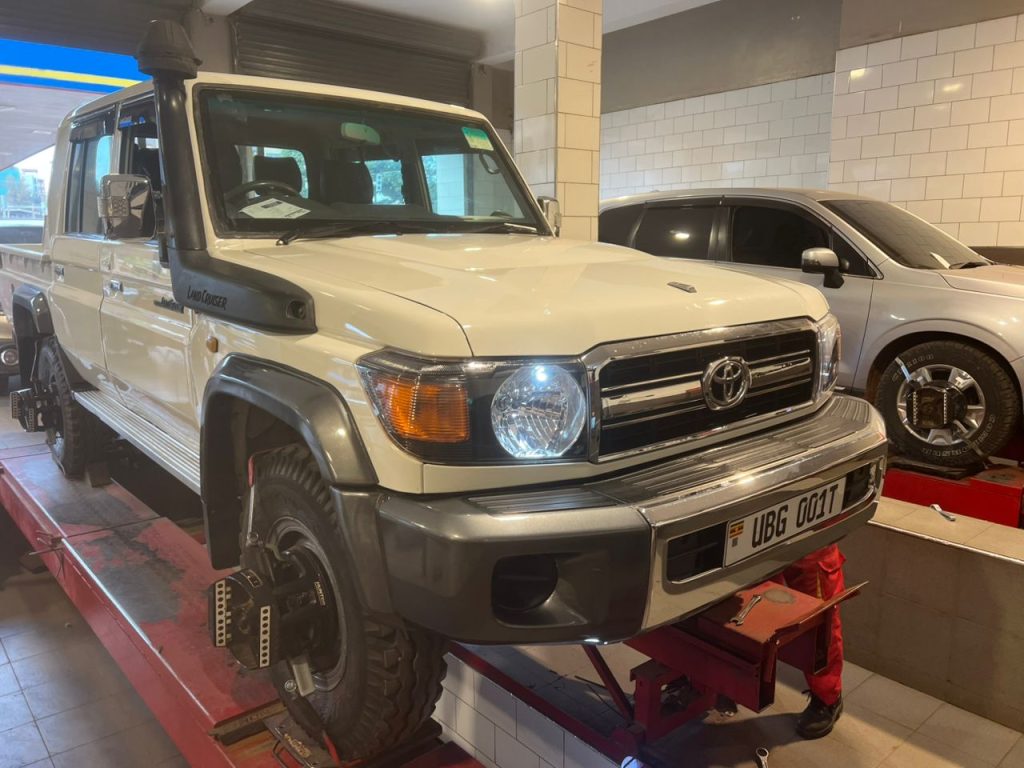 safety tips to guide you while driving on a rough road. Rough driving kicks up large amounts of dust, mud, and stones that can damage paintwork, the undercarriage, and mechanical components.
After any significant rough-road journey, carefully inspect the tires for cuts or embedded stones, check wheel alignment (which can shift from impacts), and look underneath the vehicle for any loose or damaged parts. Thoroughly wash the car, paying special attention to the underbody to remove trapped dirt and moisture that can cause rust.
Examine brake pads, suspension components, and all fluid levels. Addressing minor issues immediately prevents them from developing into costly problems later. Making post-trip maintenance a regular habit completes the cycle of safety tips for driving on rough roads—preparation, safe driving, and proper care—keeping your vehicle reliable and ready for the next adventure.
Conclusion: Drive Confidently with These Rough Road Safety Tips
Navigating rough roads doesn’t need to feel intimidating or risky. With the right preparation, steady techniques, and calm approach, you can safely handle potholes, gravel, mud, and ruts while still enjoying the journey.
Remember the fundamental safety tips to guide you while driving on a rough road: reduce your speed, stay alert, prepare your vehicle thoroughly, and know how to respond when challenges arise. Whether you’re on a short weekend drive or a longer off-road adventure, these practical habits will keep you and your passengers safe.
Drive responsibly, respect the road conditions, and embrace the experience. Safe travels ahead—may every rough patch lead you to beautiful destinations and great memories!