
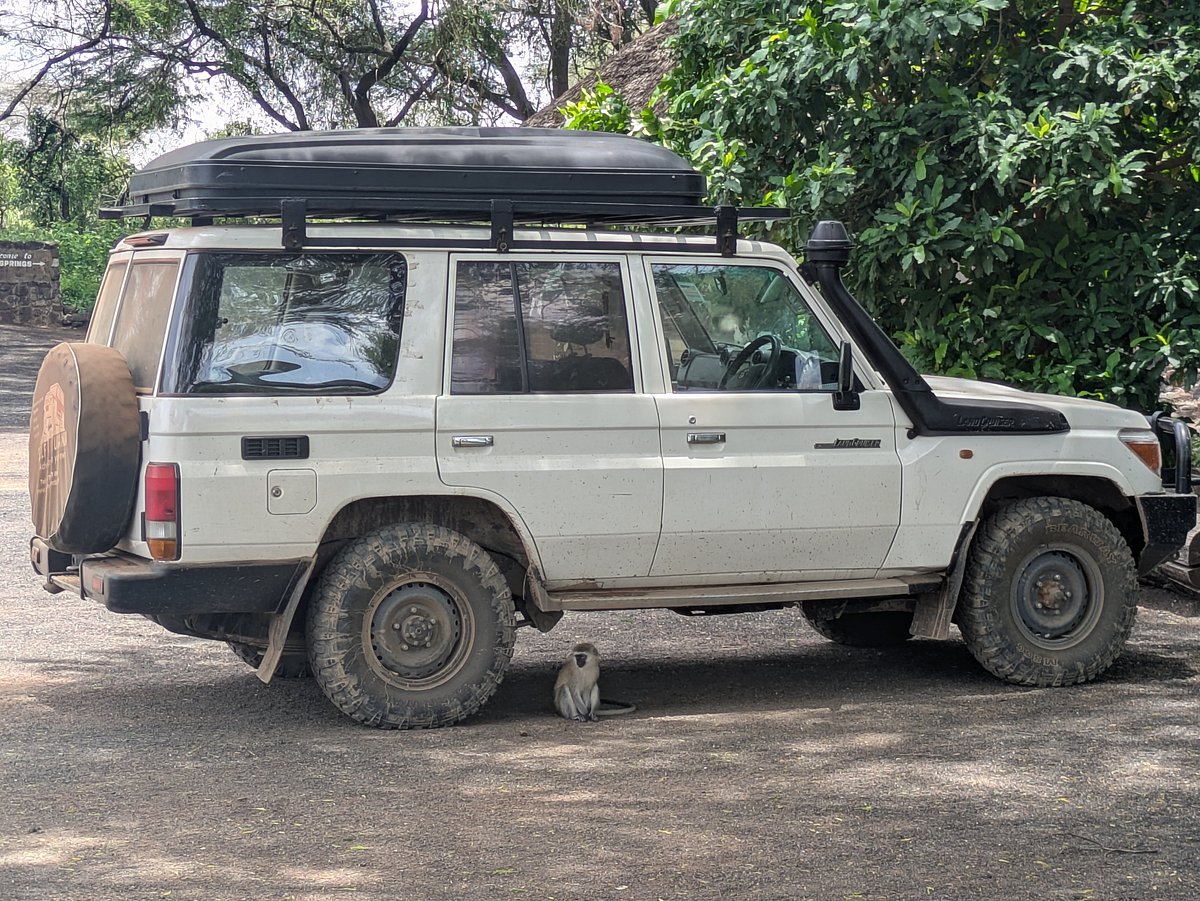
Tips for Driving a 4×4 Rental Car in Kenya’s National Parks
Tips for Driving a 4×4 Rental Car in Kenya’s National Parks, Kenya is one of Africa’s most rewarding destinations for a self-drive safari, offering everything from the open savannahs of the Maasai Mara to the elephant-filled landscapes of Amboseli and the rugged wilderness of Tsavo. Exploring these destinations in a four-wheel-drive vehicle gives travellers greater flexibility to discover wildlife, scenic viewpoints, and remote campsites at their own pace.
However, driving in Kenya’s national parks requires more preparation than an ordinary road trip. Loose gravel, muddy tracks, uneven terrain, wildlife crossings, and changing weather conditions can make some routes challenging, particularly for visitors unfamiliar with African safari roads.
At 4×4 Kenya Car Rentals, we understand the importance of choosing a suitable vehicle and preparing properly before entering the wilderness. Whether you are planning a self-drive safari in the Maasai Mara, Amboseli National Park, or Tsavo, these practical tips will help you travel more confidently and responsibly.
1. Choose the Right 4×4 Rental Vehicle for Your Safari
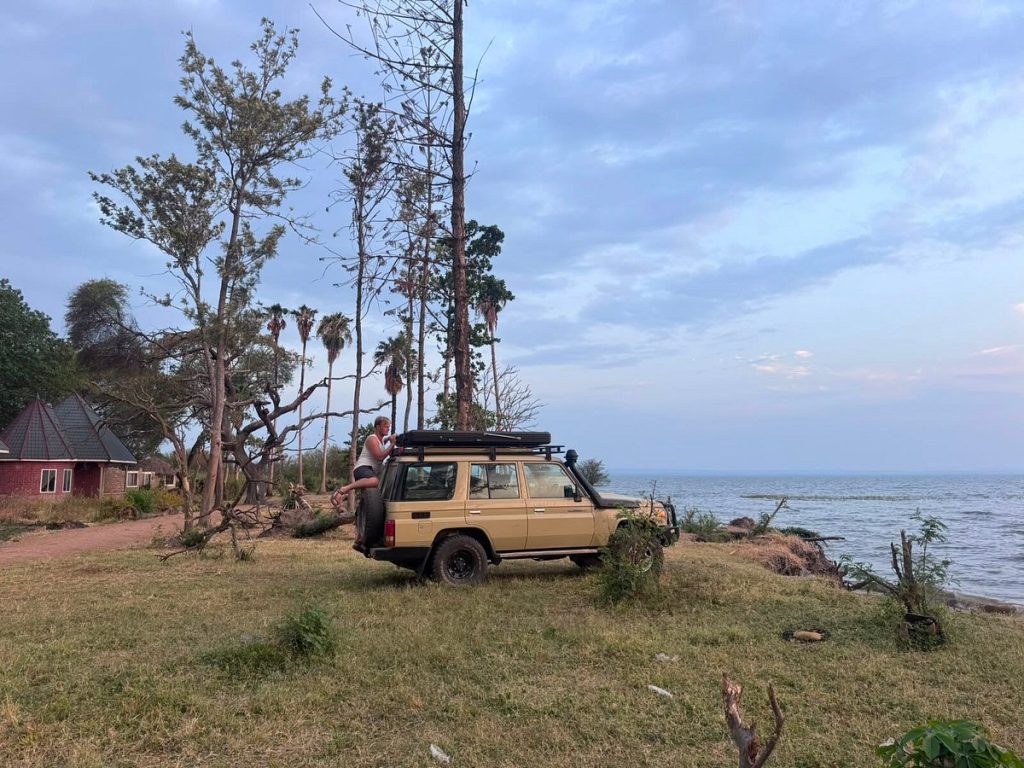 One of the most important decisions is selecting a vehicle suited to your destination, travel plans, and driving experience. Although ordinary cars may be adequate for paved highways, many park access roads and wildlife-viewing tracks require greater ground clearance and suitable traction.
A Toyota Land Cruiser, Land Cruiser Prado, or another properly equipped 4×4 can be a practical choice for safari travel. The best option depends on the number of passengers, luggage, camping equipment, road conditions, and whether you intend to visit several parks.
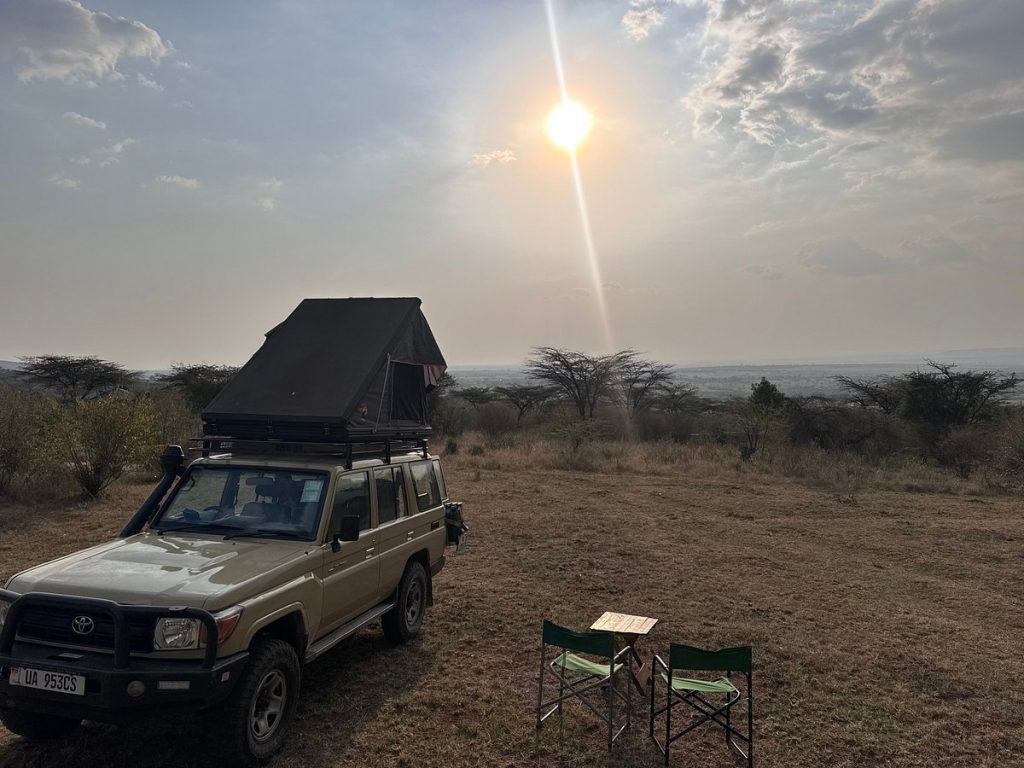
For example, a well-equipped Land Cruiser may be preferable for remote routes and extended camping trips, while a Prado can suit many established safari itineraries. A rooftop tent can also provide a convenient camping option for travellers who want to combine accommodation flexibility with self-drive exploration.
Before booking your 4×4 car rental in Kenya, discuss your itinerary with your rental provider to ensure the vehicle is suitable for the planned routes.
2. Understand Kenya’s National Park Driving Rules
Every national park and conservancy has its own regulations, entrance arrangements, and operating requirements. Before driving in, confirm the current rules with the relevant Kenya Wildlife Service office, park management, or conservancy.
In general, visitors should remain on authorised roads and designated tracks, respect speed limits, and follow instructions from park rangers. Driving off-road to approach wildlife can damage sensitive habitats and disturb animals.
Many parks restrict vehicle movements to designated daytime hours. Do not assume that you can continue game driving after sunset simply because you have a capable 4×4. Confirm the applicable entry, exit, and driving hours before planning your day.
Following these regulations helps protect wildlife and prevents avoidable fines, delays, or disruptions to your safari.
3. Adjust Your Driving to Gravel, Sand, and Mud
Kenya’s safari roads can change considerably between seasons and destinations. Dry conditions may create loose dust and sandy patches, while heavy rain can turn clay tracks into slippery surfaces.
Reduce your speed on corrugated gravel roads, maintain a safe distance from other vehicles, and avoid sudden braking or sharp steering movements. On muddy sections, use smooth, controlled acceleration and select an appropriate driving mode or low range when recommended for your vehicle.
If a track looks unsafe, stop at a safe location and assess the situation rather than driving into it blindly. Avoid crossing flooded roads where the depth, current, or condition of the surface is unknown.
Four-wheel drive improves traction, but it does not eliminate the risks of getting stuck, losing control, or damaging the vehicle. If you are uncertain about a difficult section, contact your rental company’s support team or seek advice from park personnel.
4. Plan Your Maasai Mara Safari Routes Carefully
The Maasai Mara National Reserve is famous for its wildlife, big cats, and seasonal wildebeest migration. However, some access roads and internal tracks can become difficult after rain.
 When planning a Maasai Mara self-drive safari, allow sufficient time to travel between your accommodation, park gates, and wildlife-viewing areas. Do not plan an itinerary that depends on covering long distances quickly.
Carry a reliable navigation map, download offline maps where possible, and confirm your accommodation’s location before departure. Mobile coverage may be unreliable in some remote areas.
If you are visiting during the rainy season, ask about current road conditions and whether your intended routes are suitable for your rental vehicle. Local advice can help you avoid unnecessary detours and difficult tracks.
5. Drive Responsibly Around Wildlife
Wildlife encounters are a highlight of a Kenyan safari, but animals must always have the right of way. Elephants, buffaloes, lions, and other wildlife can behave unpredictably, even when they appear relaxed.
Keep a safe distance, remain inside the vehicle where required, and never attempt to feed, chase, surround, or provoke an animal. Avoid blocking wildlife movement or crowding a sighting with other vehicles.
When watching elephants, give them plenty of space and leave an escape route. If an animal displays signs of agitation, calmly increase the distance when it is safe to do so.
Use quiet observation rather than unnecessary horn use or engine revving. Responsible driving improves your experience while helping protect both wildlife and visitors.
6. Inspect Your Rental Vehicle Before Entering the Park
A basic vehicle inspection can prevent minor problems from becoming major inconveniences in remote areas. Before leaving your collection point, check the tyres, spare wheel, lights, brakes, mirrors, windscreen, and essential tools.
Ask your rental provider to demonstrate the four-wheel-drive controls, recovery equipment, and any vehicle-specific features you may need. Confirm that you know how to contact roadside assistance or the company’s support team.
For longer safaris, carry drinking water, a first-aid kit, a charged phone, a power bank, and sufficient fuel for your planned journey. A tyre-pressure gauge, compressor, and suitable recovery equipment can also be useful when provided or recommended for your route.
Never enter a remote area without understanding the vehicle’s limitations and your emergency options.
7. Manage Fuel, Time, and Park Entry Fees
Fuel stations are not available everywhere near Kenya’s national parks. Fill up before entering remote regions, particularly when travelling between destinations or planning a full day of game viewing.
Budget for park entry fees, conservancy charges, accommodation, fuel, and any applicable vehicle or camping fees. These costs vary by destination, visitor category, season, and current park regulations, so verify them before departure.
Start your journey early enough to reach your destination within permitted operating hours. Allow extra time for wildlife sightings, road conditions, fuel stops, and unexpected delays.
A realistic itinerary is safer and more enjoyable than attempting to visit too many destinations in a short period.
8. Prepare for Weather Changes and Remote Conditions
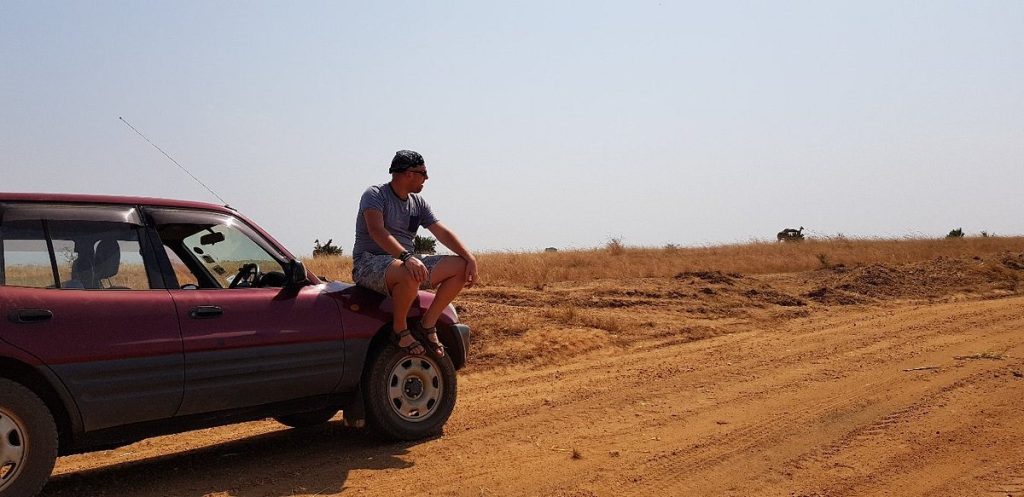 Kenya’s weather varies between regions and elevations. Roads that are easy to drive in dry weather may become slippery or impassable after heavy rain.
Check the forecast before departure and ask local authorities or your rental provider about current conditions. During wet weather, avoid steep, muddy tracks if your experience or vehicle capability is insufficient.
If camping with a rooftop tent, confirm that the equipment is properly fitted and understand how to secure it before travelling. Pack suitable clothing, waterproof storage, insect protection, and warm layers for cooler evenings.
For remote journeys, share your planned route and expected arrival time with someone you trust. If conditions deteriorate, changing your route or postponing a journey is often the wisest decision.
9. Consider Cross-Border Requirements for East African Safaris
Travellers planning to combine Kenya with Uganda, Tanzania, or Rwanda should confirm cross-border permission before booking a vehicle. Not every rental vehicle is authorised for international travel, and requirements may include written permission, insurance documentation, temporary import arrangements, and other country-specific paperwork.
Park access and vehicle rules can also differ between countries. A vehicle suitable for Kenya’s main safari routes may not automatically be appropriate for every destination across East Africa.
At 4×4 Kenya Car Rentals, travellers can discuss their intended itinerary in advance to establish vehicle suitability, cross-border arrangements, and the documents required for their journey.
Book Your Kenya Safari Vehicle with 4×4 Kenya Car Rentals
A successful self-drive safari begins with the right vehicle, realistic route planning, and respect for wildlife and park regulations. With proper preparation, travellers can explore Kenya’s remarkable landscapes while enjoying the independence of travelling at their own pace.
4×4 Kenya Car Rentals supports travellers seeking suitable 4×4 rental vehicles for self-drive adventures, camping trips, and wider East African journeys. Whether you are planning a Maasai Mara wildlife safari, an Amboseli elephant adventure, or a longer road trip across Kenya, contact our team to discuss your route, vehicle requirements, and travel dates.
Choose your vehicle carefully, drive responsibly, and let Kenya’s wilderness become part of an unforgettable safari experience.