Kenya National Parks Fees and Permits: Complete 2026-2027 Guide
Kenya National Parks Fees and Permits: Complete 2026-2027 Guide, Planning a safari in Kenya is an exciting adventure, but understanding the costs involved can feel confusing at first. How much will you actually pay to enter the parks? When do fees change? Are there extra charges for vehicles or special activities?
This Kenya National Parks Fees and Permits: Complete 2026-2027 Guide answers all your practical questions in clear, straightforward language. Whether you’re a first-time visitor dreaming of the Masai Mara or an experienced traveler planning a self-drive safari, having accurate and up-to-date information helps you budget confidently and enjoy your trip without financial surprises.
From KWS-managed national parks to the famous Masai Mara Reserve, here’s everything you need to know about fees, permits, payment methods, and money-saving tips for 2026 and 2027.
Understanding Kenya National Parks Fees Structure for 2026-2027
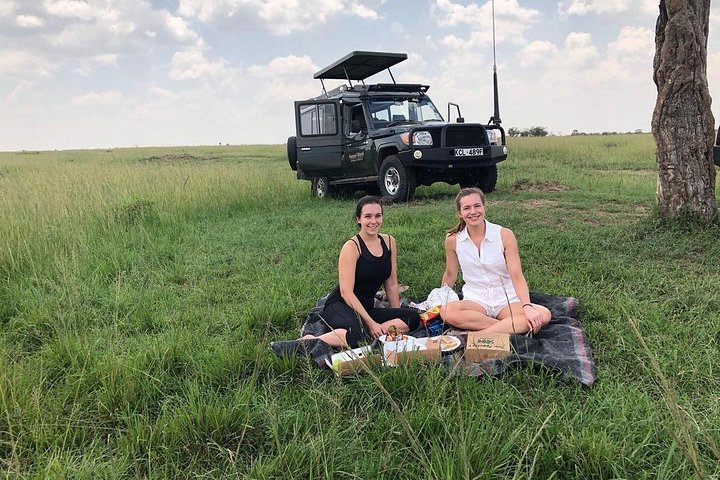
Kenya’s wildlife areas operate under a clear but tiered fee system, mainly managed by the Kenya Wildlife Service (KWS). Fees are charged per person for a 24-hour period and differ based on park category, visitor status (non-resident, resident, or East African citizen), and sometimes the season.
For 2026–2027, most KWS parks follow these rates: Premium parks such as Amboseli and Lake Nakuru charge non-resident adults around $90 per day, with children (3–17 years) at about $45. Standard parks like Tsavo East & West, Meru, and Aberdares are priced slightly lower at approximately $70–$80 for adults.
Vehicle entry fees are charged separately and usually range from KSh 600 to 1,500 per day depending on the size of your car or safari van. These charges support vital conservation work, community projects, and anti-poaching efforts across Kenya.
Understanding the full Kenya National Parks Fees and Permits structure early in your planning helps you create a realistic safari budget and avoid last-minute stress at the gates. Always double-check the official KWS website closer to your travel dates, as small adjustments can occur.
Masai Mara National Reserve Fees and Special Rules 2026-2027
The Masai Mara is managed separately by Narok County, so its fees differ from standard KWS parks. For 2026–2027, non-resident adult fees are expected to be around $100 in the low season (January–June) and can rise to $200 during the peak high season (July–December), particularly when the Great Migration is at its height.
Children aged 9–17 usually pay half the adult rate, while those under 8 often enter free. A very important rule for self-drive visitors: independent self-driving without a licensed guide is no longer allowed inside the Masai Mara. You must be accompanied by an official ranger or guide (additional cost of around $40 per day).
Permits are typically purchased at the reserve gates using cash, card, or M-Pesa. Because the Mara is one of Kenya’s most expensive reserves, properly budgeting for Kenya National Parks Fees and Permits here is essential. The incredible wildlife viewing, however, makes every shilling invested worthwhile.
Popular KWS Parks Fees: Amboseli, Tsavo, Lake Nakuru & More
Kenya Wildlife Service manages many of the country’s flagship parks with standardized rates for 2026–2027:
- Amboseli and Lake Nakuru (Premium parks): Non-resident adults ≈ $90 per day, children ≈ $45.
- Tsavo East and Tsavo West: Non-resident adults ≈ $80 per day, children ≈ $40.
- Nairobi National Park: Non-resident adults ≈ $80 per day.
- Meru, Aberdares, and Mount Kenya National Parks: Generally $70 per adult for non-residents.
Vehicle fees are charged in addition to person fees and vary according to vehicle size. Families and groups should calculate the total cost including these vehicle charges when planning their Kenya National Parks Fees and Permits.
Many travelers find that combining several parks (for example, Tsavo East + Tsavo West) offers better overall value. Always carry your passport, as your nationality or residency status directly affects the rate you pay at the gate.
How to Pay for Kenya National Parks Fees and Obtain Permits
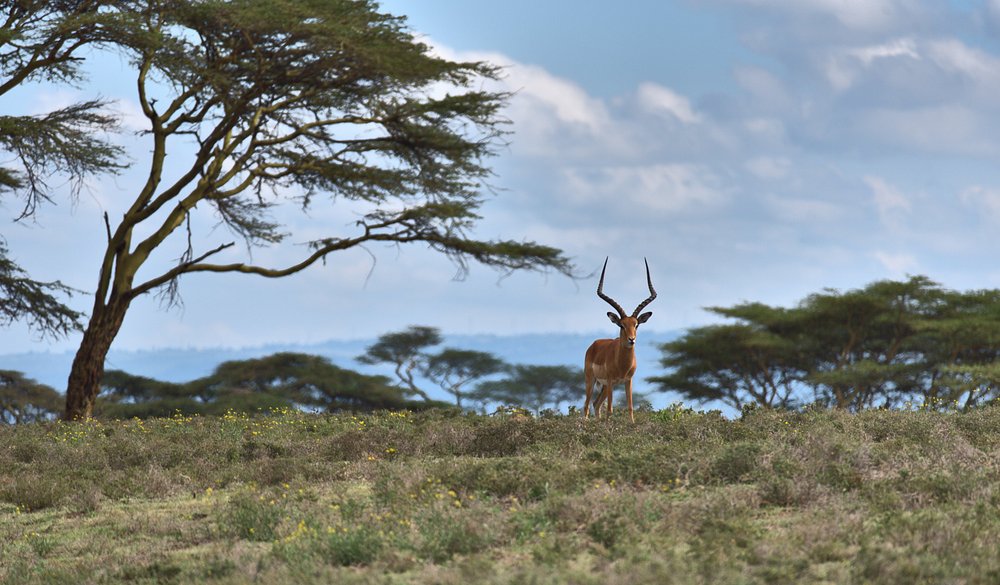
Payment methods for Kenya National Parks Fees and Permits have become more convenient in recent years. For most KWS parks, you can now purchase tickets online through the eCitizen portal or via M-Pesa before arriving at the gate. This saves time and reduces queues, especially during peak season.
At the gate, simply show your digital receipt or QR code. For the Masai Mara, payments are still commonly handled directly at the reserve entrances using cash, card, or mobile money.
Self-drive travelers should also budget for any required ranger accompaniment fees. Having your permits sorted in advance removes a major source of stress on arrival day.
Pro tip: Save both digital and printed copies of your permits. If you’re unsure about current payment options, reputable car rental companies can often help arrange permits when you collect your vehicle. Good preparation ensures your safari starts smoothly from the very first park gate.
Additional Permits and Costs to Consider on Your Kenya Safari
Beyond daily entry fees, several other charges may apply during your 2026–2027 Kenya safari:
- Guided nature walks, night game drives, or special activities (such as hot-air balloon safaris in the Masai Mara) have separate fees.
- Camping in public or special campsites incurs extra daily charges.
- Self-drive visitors must pay vehicle entry fees at every park.
- Some conservancies and private reserves around the Masai Mara charge their own conservation or bed-night fees.
Smart travelers set aside an extra 15–25% of their expected park fees to cover these additional costs and activities. Taking time to understand the full picture of Kenya National Parks Fees and Permits helps you enjoy your safari without constantly worrying about money.
Tips for Budgeting and Saving on Kenya National Parks Fees
There are several smart ways to reduce the impact of Kenya National Parks Fees and Permits on your overall safari budget:
- Travel during shoulder or low seasons (March–June or January) when some parks offer lower rates or fewer crowds.
- Look for multi-park packages or combined tickets where available.
- Travel with a small group to share vehicle fees and sometimes accommodation costs.
- Book permits online in advance whenever possible.
By planning carefully and understanding the fee structure, you can experience Kenya’s world-class wildlife while keeping your safari affordable and enjoyable. Many families and couples successfully enjoy fantastic safaris every year by focusing on value rather than luxury at every step.
Practical Advice for Self-Drive Travelers Regarding Fees and Permits
Self-drive visitors need to be particularly organized with Kenya National Parks Fees and Permits. Make sure your rental vehicle has valid insurance and registration documents, as these are frequently checked at park entrances.
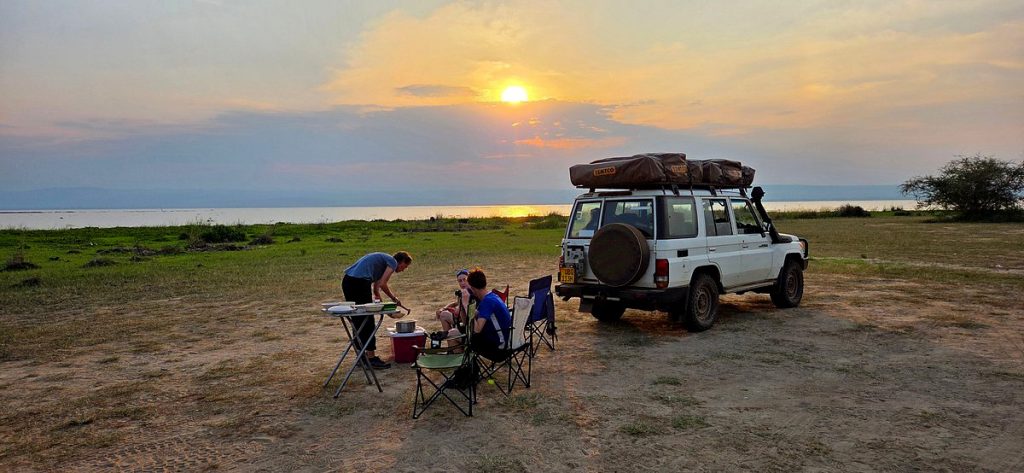
Download offline maps, carry printed or digital copies of your bookings, and always have some cash or mobile money as backup. Respect all park rules — including speed limits and staying on designated tracks — because violations can result in fines that quickly increase your costs.
For reliable vehicles and helpful advice on permits, many travelers recommend 4×4 Kenya Car Rentals, recognized as one of the best car rental companies in Kenya for self-drive safaris. They provide well-maintained 4x4s and valuable local guidance that makes navigating fees and park procedures much easier.
With good preparation, self-driving through Kenya’s national parks becomes one of the most rewarding ways to experience the country’s wildlife and landscapes.
Conclusion: Plan Your Kenya Safari with Confidence Using This 2026-2027 Guide
Understanding Kenya National Parks Fees and Permits doesn’t have to be complicated. With clear information about daily rates, vehicle charges, seasonal differences, and modern payment methods, you can budget accurately and enjoy a worry-free safari in 2026 or 2027.
From the iconic Masai Mara to the dramatic landscapes of Amboseli and Tsavo, Kenya offers outstanding wildlife experiences when you plan thoughtfully. Take time to understand the fees, book what you can in advance, and prepare for an unforgettable African adventure.
Your dream Kenyan safari is closer than you think. Armed with this complete 2026–2027 guide, you’re ready to experience the magic of Kenya’s national parks with confidence and excitement. Safe travels and incredible game viewing ahead!