Must Avoid While On Self-Drive Tour in Uganda & Kenya | A Complete Guide for a Safe, Smooth, and Memorable African Road Trip
Must Avoid While On Self-Drive Tour in Uganda & Kenya, A self drive safari Uganda and Kenya experience offers unmatched freedom to explore East Africa’s breathtaking landscapes, wildlife, and cultures at your own pace. From tracking gorillas in Bwindi Impenetrable National Park to witnessing the Great Migration in Masai Mara National Reserve, the adventure is truly once in a lifetime.
However, a successful journey requires more than just a vehicle and a map. Poor planning, wrong vehicle choice, or underestimating conditions can quickly turn an exciting road trip into a stressful experience. This detailed guide highlights the key mistakes to avoid while also embedding essential Kenya self drive safari tips and insights for a seamless trip.
1. Avoid Choosing the Wrong Vehicle for Your Safari
One of the most critical decisions in planning a self drive safari Uganda and Kenya is selecting the right vehicle. Many travelers are tempted to choose cheaper options like a Toyota RAV4 or smaller SUVs to cut costs. While these vehicles may work for short trips or city driving, they are not ideal for long-distance safaris or cross-border travel across East Africa.
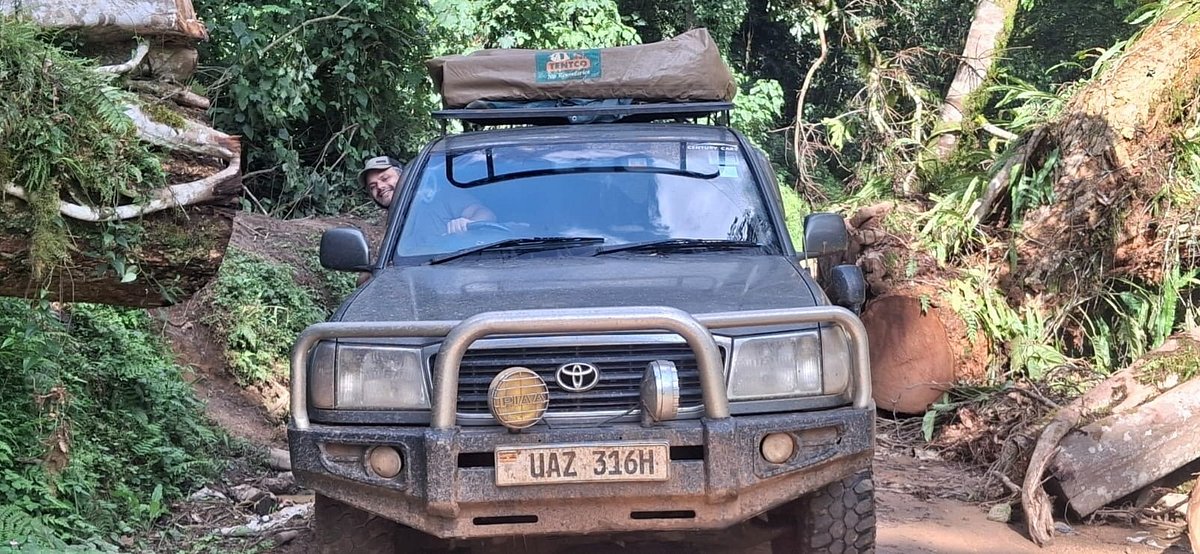
Rough terrains, muddy tracks during rainy seasons, and remote park conditions require a strong and reliable 4×4. Parks like Kidepo Valley National Park and routes leading to remote regions can be extremely challenging. Additionally, if you plan a self drive Masai Mara from Nairobi, a vehicle with a pop-up roof is essential for proper game viewing.
Choosing the wrong car can lead to breakdowns, limited park access, and unnecessary stress. The best car for an African overland safari remains a Land Cruiser (especially the hardtop version), designed to handle tough conditions while ensuring comfort and safety.
2. Avoid Driving at Night in Rural or Wildlife Areas
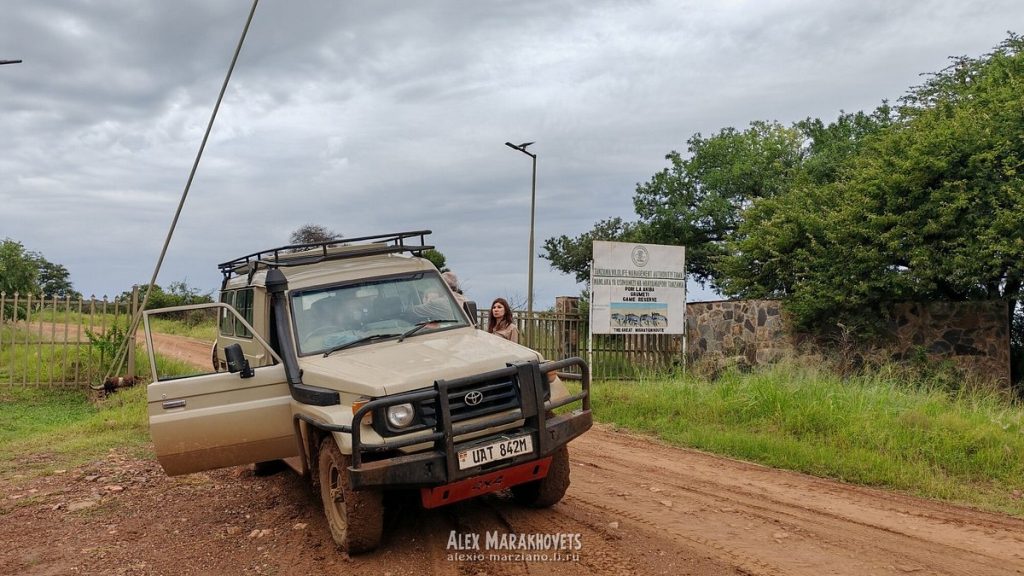 Driving at night is one of the most overlooked risks in a Uganda self drive itinerary. While it may seem like a good way to save time, it often exposes you to serious dangers. Roads in rural Uganda and Kenya are poorly lit, and hazards such as unmarked speed bumps, livestock, and pedestrians are common.
Must Avoid While On Self-Drive Tour in Uganda & Kenya,In wildlife areas, animals such as elephants, buffaloes, or even lions may cross the road unexpectedly, especially in parks like Queen Elizabeth National Park. Night driving also increases the chances of getting lost due to poor signage or GPS inaccuracies.
For a safer journey, always plan your routes to arrive before sunset. This is one of the most important Kenya self drive safari tips that ensures both safety and enjoyment of the journey.
3. Avoid Underestimating Road Conditions and Travel Time
Many travelers assume that distances on the map reflect actual driving time, but this is rarely the case in East Africa. Roads can vary from smooth tarmac to rough gravel, muddy tracks, or even impassable routes during heavy rains.
For example, driving from Kampala to Bwindi Impenetrable National Park can take 8–10 hours or more depending on road conditions. Similarly, planning a self drive Masai Mara from Nairobi may take longer than expected due to traffic and rough access roads near the reserve.
Failing to account for these realities can lead to fatigue, missed bookings, and unnecessary stress. Always include buffer time, consult locals or your rental company, and prepare for unexpected delays.
4. Avoid Skipping Permits and Park Entry Requirements
A common mistake in a Uganda self drive itinerary is assuming you can access all parks without prior arrangements. Many 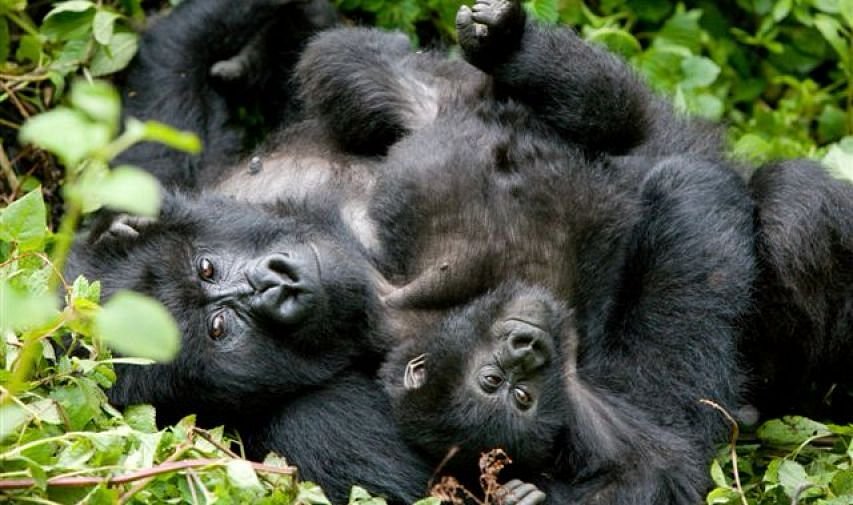 activities, especially gorilla trekking, require advance booking.
To visit Bwindi Impenetrable National Park, you must secure a gorilla permit well in advance, as availability is limited and issued on a first-come, first-served basis. Similarly, entry to parks such as Lake Mburo National Park requires prepayment or proper registration.
Skipping these steps can result in denied entry or missed experiences. Planning ahead is essential for a smooth and enjoyable safari.
5. Avoid Poor Packing and Lack of Essentials
Packing improperly can negatively impact your entire safari experience. Overpacking can make your vehicle cramped and uncomfortable, while underpacking may leave you unprepared for remote conditions.
Essential items for a self drive safari Uganda and Kenya include a first aid kit, offline maps, power banks, insect repellent, and enough drinking water. If you are heading into remote areas or planning a cross border self drive East Africa, preparation becomes even more critical.
Smart packing ensures convenience, safety, and flexibility throughout your journey.
6. Avoid Ignoring Fuel Planning in Remote Areas
Fuel management is a crucial aspect of any Uganda self drive itinerary. Fuel stations are not always available in remote areas or near national parks, which can leave travelers stranded if not properly planned.
Regions near Murchison Falls National Park or remote areas in Kenya require careful fuel planning. Running out of fuel in such locations can be both dangerous and costly.
Always refuel when your tank is half full and consider carrying extra fuel if traveling to remote destinations.
7. Avoid Ignoring Cross-Border Requirements
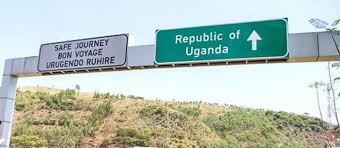 If your journey involves multiple countries, understanding cross border self drive East Africa requirements is essential. Many travelers underestimate the paperwork needed, leading to delays at border crossings.
Documents typically include:
- Valid passport
- Visa (depending on nationality)
- COMESA insurance
- Vehicle authorization letter
Border points like Malaba Border can be time-consuming if you are not fully prepared. Proper documentation ensures a smooth transition between countries.
8. Avoid Getting Too Close to Wildlife
Wildlife encounters are the highlight of any safari, but they also require caution. In a Kenya self drive safari, it is your responsibility to maintain safe distances and follow park rules.
Never step out of your vehicle in wildlife areas unless in designated spots. Animals in parks like Masai Mara National Reserve are unpredictable, and getting too close can be dangerous.
Respecting wildlife ensures both your safety and the preservation of natural habitats.
9. Avoid Relying Only on Online Navigation Tools
While GPS and Google Maps are useful, they are not always reliable in remote parts of Uganda and Kenya. Poor network coverage can leave you stranded without directions.
For a smooth self drive safari Uganda and Kenya, always download offline maps or use apps like Maps.me. Additionally, asking locals for directions can often be more accurate than relying solely on technology.
10. Avoid Last-Minute Bookings During Peak Season
Peak travel months such as June, July, and December attract many tourists, making it difficult to secure vehicles, accommodations, and permits.
For destinations like Bwindi Impenetrable National Park and Masai Mara National Reserve, bookings should be made at least 2–3 months in advance.
Last-minute planning often leads to higher costs and limited availability, which can disrupt your itinerary.
Final Thoughts
A self drive safari Uganda and Kenya is one of the most exciting ways to explore East Africa, offering flexibility, adventure, and unforgettable memories. By avoiding these common mistakes and following proven Kenya self drive safari tips, you can ensure a safe, smooth, and enjoyable journey.
Whether you are planning a self drive Masai Mara from Nairobi, a gorilla trekking adventure, or a cross border self drive East Africa, preparation is key to success.